
Estimated reading time: 8 minutes
Asthma is a chronic respiratory condition that affects millions of people worldwide. Characterized by inflammation and narrowing of the airways, asthma causes difficulty in breathing and a range of symptoms that can significantly impact daily life. While asthma cannot be cured, it can be effectively managed to enable individuals to lead active, healthy lives.
What Is Asthma?

Asthma is a chronic lung disease affecting people of all ages. It is caused by inflammation and muscle tightening around the airways, which makes it harder to breathe. (Asthma – WHO)
Asthma symptoms can range from mild to severe, and in some cases, they can be life-threatening.
Common Symptoms of Asthma
Asthma symptoms vary in intensity and frequency from person to person. The most common symptoms include:
- Shortness of breath
- Wheezing (a high-pitched whistling sound when breathing)
- Chest tightness or discomfort
- Persistent coughing, especially at night or early morning
Asthma symptoms, also called asthma flare-ups or asthma attacks, are often caused by allergies and exposure to allergens such as pet dander, dust mites, pollen or mold. Non-allergic triggers include smoke, pollution or cold air or changes in weather. (Asthma symptoms – AAAAI)
Asthma, while potentially serious, is manageable with appropriate treatment. If you experience asthma symptoms, consult a healthcare professional for guidance.
What Causes Asthma?

The exact cause of asthma remains unclear, but it is thought to result from a combination of genetic and environmental factors. These may include:
Risk Factors for Developing Asthma
Asthma can affect anyone, but certain factors increase the likelihood of developing this chronic condition. Understanding these risk factors can help identify those at higher risk and encourage preventive measures. (What Causes Asthma? – ALA)
- Family History
- If one or both parents have asthma, the likelihood of developing asthma increases significantly. Individuals with a family history of asthma are three to six times more likely to have the condition compared to those without a family history.
- Allergies
- Allergic conditions like atopic dermatitis (eczema) or allergic rhinitis (hay fever) are closely linked to asthma. People with allergies, especially those with a parent who has allergies, have a higher risk of developing asthma.
- Viral Respiratory Infections
- Respiratory infections during infancy and early childhood can lead to wheezing and, in some cases, chronic asthma. These infections may damage developing airways, increasing the risk of asthma later in life.
- Occupational Exposures
- Certain workplace environments can trigger asthma symptoms or even cause asthma to develop. Common triggers include:
- Dust: Industrial or wood dust.
- Chemical Fumes and Vapors: Found in manufacturing, cleaning, and construction industries.
- Molds: Common in damp work environments.
- Certain workplace environments can trigger asthma symptoms or even cause asthma to develop. Common triggers include:
- Smoking
- Cigarette smoke irritates the airways, significantly increasing asthma risk. Additionally:
- Maternal Smoking: Babies born to mothers who smoked during pregnancy are more likely to develop asthma.
- Secondhand Smoke: Increases asthma risk in children and adults.
- Cigarette smoke irritates the airways, significantly increasing asthma risk. Additionally:
- Air Pollution
- Living in urban areas with high levels of pollution, particularly smog (ozone), raises the risk of asthma. Continuous exposure to polluted air can irritate and inflame the airways, leading to asthma development.
- Obesity
- Children and adults who are overweight or obese face a higher risk of asthma. Potential reasons include:
- Chronic Inflammation: Extra weight may cause low-grade inflammation in the body, contributing to asthma.
- Worse Symptoms: Obese individuals often experience more severe asthma symptoms and require more medications.
- Poor Control: Asthma tends to be harder to manage in those with obesity compared to those in a healthy weight range.
- Children and adults who are overweight or obese face a higher risk of asthma. Potential reasons include:
Asthma Triggers
Asthma symptoms can be triggered by a variety of factors (Asthma triggers – NHS), including:
- Allergens: Dust mites, pollen, pet dander, mold.
- Irritants: Cigarette smoke, strong odors, chemical fumes.
- Respiratory Infections: Colds, flu, sinusitis.
- Physical Activity: Exercise-induced asthma.
- Weather Changes: Cold air, sudden temperature shifts.
- Emotional Stress: Anxiety, excitement, or strong emotions.
Types of Asthma
Asthma can be categorized based on its triggers and severity (Types of Asthma – ALA):
- Allergic Asthma: Triggered by allergens like pollen or dust.
- Non-Allergic Asthma: Caused by irritants like smoke or chemicals.
- Exercise-Induced Asthma: Occurs during or after physical activity.
- Occupational Asthma: Triggered by irritants or allergens in the workplace.
- Severe Asthma: A form of asthma that is more challenging to control and requires specialized treatment.
- Asthma-COPD Overlap Syndrome (ACOS): Involves symptoms of both asthma and chronic obstructive pulmonary disease (COPD).
Diagnosing Asthma
Diagnosis involves a combination of medical history, physical examination, and tests such as (Asthma Diagnosed – ALA):
- Spirometry: The most common lung function test is spirometry. This test uses a device called a spirometer to measure how much air you exhale and how quickly you do it. It helps healthcare providers assess how well your lungs are functioning.
- Allergy Tests: Other diagnostic tests for asthma may include allergy testing, either through blood or skin tests, to identify specific allergens that could trigger symptoms. Blood tests can also be used to detect cells associated with inflammation. Additionally, an exhaled nitric oxide (FeNo) test may be performed to measure airway inflammation. Challenge tests, such as the methacholine challenge, can assess airway sensitivity and confirm an asthma diagnosis.
Diagnosing Asthma in Children:
Children are more likely to develop asthma if certain risk factors are present, including:
- A family history of asthma, particularly if a parent has the condition.
- Having allergies, such as eczema or other allergic conditions.
- Exposure to tobacco smoke during pregnancy or childhood.
- Frequent exposure to indoor and outdoor air pollutants.
- Experiencing wheezing during viral infections.
- Being overweight or obese.
These factors can help healthcare providers identify children at higher risk for asthma and guide early intervention and treatment.
Treatment and Management: Recommendations from GINA Guidelines
The Global Initiative for Asthma (GINA) provides internationally recognized guidelines for the effective management of asthma. These recommendations focus on minimizing symptoms, improving quality of life, and preventing severe asthma exacerbations.

Core Principles of Asthma Management
- Diagnosis and Assessment
- Conduct thorough assessments, including lung function tests like spirometry.
- Evaluate symptom patterns, triggers, and exacerbation history.
- Personalized Treatment Plans
- Develop individualized action plans based on asthma severity and control.
- Incorporate patient preferences and comorbid conditions.
- Pharmacological Management
- Controller Medications: Inhaled corticosteroids (ICS) are the cornerstone for reducing inflammation and preventing symptoms.
- Reliever Medications: Short-acting beta-agonists (SABAs) or ICS-formoterol for quick relief during acute symptoms.
- Use a stepwise approach to adjust medication based on asthma control levels.
- Non-Pharmacological Strategies
- Avoid exposure to triggers such as allergens, smoke, or air pollution.
- Encourage weight management for obese individuals with asthma.
- Promote vaccination against influenza and pneumococcal diseases.
- Monitoring and Follow-Up
- Regularly assess symptom control and lung function.
- Check adherence to medications and inhaler technique.
- Update treatment plans as needed.
GINA Recommendations for Stepwise Treatment
Asthma management is based on a stepwise approach, with treatment adjusted according to the level of asthma control:
- Step 1: Low-dose ICS-formoterol as needed for mild asthma.
- Step 2: Daily low-dose ICS or as-needed ICS-formoterol.
- Step 3: Low-dose ICS-LABA (long-acting beta-agonist) as maintenance therapy.
- Step 4: Medium-dose ICS-LABA for moderate asthma.
- Step 5: High-dose ICS-LABA, plus additional options like biologics (e.g., anti-IgE, anti-IL-5) for severe asthma.
Patient Education and Self-Management
- Teach patients proper inhaler techniques and the importance of medication adherence.
- Develop and provide a written asthma action plan to guide symptom recognition and response.
- Educate on recognizing early signs of exacerbations and when to seek medical attention.
Living with Asthma

With proper management, people with asthma can lead full and active lives. Tips for managing asthma effectively include:
- Monitor Symptoms: Keep track of your symptoms and peak flow readings.
- Regular Check-Ups: Visit your doctor to adjust treatments as needed.
- Emergency Preparedness: Always carry a quick-relief inhaler and know when to seek medical help.
When to Seek Emergency Care
Asthma attacks can escalate quickly and become life-threatening. Seek immediate medical attention if you experience:
- Extreme difficulty breathing.
- Bluish lips or face.
- No improvement after using a quick-relief inhaler.
Naturem™ Herbal Lozenges Cough Free: Natural Relief for Throat and Respiratory Wellness
Herbal lozenges offer a natural, effective alternative to over-the-counter cough suppressants, providing relief for asthma patients with minimal side effects. Infused with soothing and anti-inflammatory ingredients, they are a gentle way to address respiratory discomfort.
Discover lasting relief with Naturem™ Herbal Lozenges Cough Free. Expertly crafted with 14 powerful medicinal herbs, including Ginger extract, Peppermint, and Dang Shen Ginseng, this all-natural remedy soothes throat irritation, enhances lung function, and strengthens immunity. Designed to reduce inflammation and promote mucosal healing, Cough Free delivers effective relief from cough while supporting overall respiratory health—without the worry of harsh side effects.
FAQs
1. What are the early signs of asthma?
Shortness of breath, wheezing, chest tightness, and persistent coughing, especially at night.
2. Can asthma go away on its own?
No, asthma is a chronic condition that requires management, though symptoms may improve over time.
3. Are there natural remedies for asthma?
Yes, herbal solutions like Naturem™ Herbal Lozenges can provide relief for throat irritation and support respiratory health.
4. Can asthma attacks be prevented?
Yes, by avoiding triggers, adhering to treatment plans, and monitoring symptoms regularly.
References
World Health Organization (WHO). Asthma Fact Sheet. Available at: https://www.who.int/news-room/fact-sheets/detail/asthma
American Academy of Allergy, Asthma, & Immunology (AAAAI). Asthma Overview. Available at: https://www.aaaai.org/conditions-treatments/asthma/asthma-overview
American Lung Association. What Causes Asthma? Available at: https://www.lung.org/lung-health-diseases/lung-disease-lookup/asthma/learn-about-asthma/what-causes-asthma
National Health Service (NHS). Causes of Asthma. Available at: https://www.nhs.uk/conditions/asthma/causes/
American Lung Association. Types of Asthma. Available at: https://www.lung.org/lung-health-diseases/lung-disease-lookup/asthma/learn-about-asthma/types
American Lung Association. How Is Asthma Diagnosed? Available at: https://www.lung.org/lung-health-diseases/lung-disease-lookup/asthma/symptoms-diagnosis/how-is-asthma-diagnosed
Global Initiative for Asthma (GINA). GINA 2024 Report. Available at: https://ginasthma.org/2024-report/
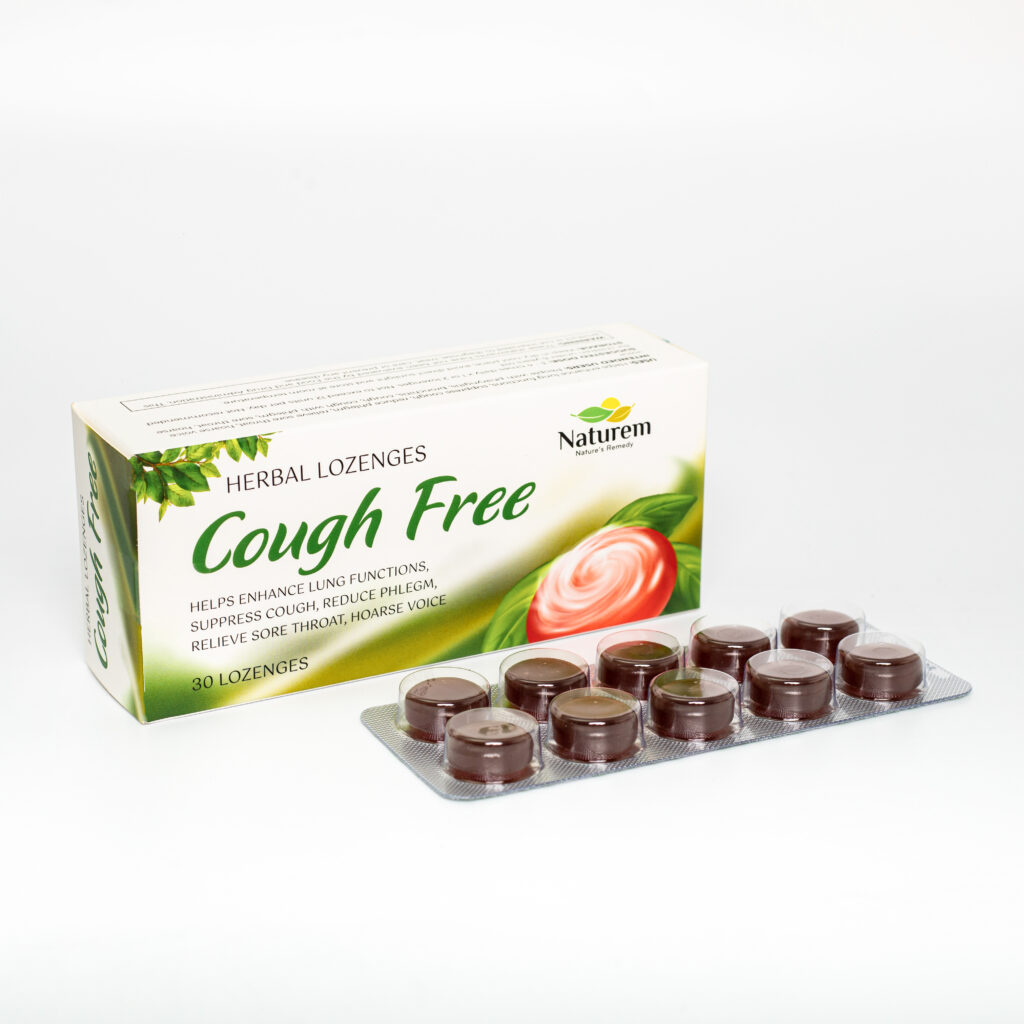
Naturem™ Herbal Lozenges Cough Free
Find soothing relief and respiratory support with Naturem™ Herbal Lozenges Cough Free. This herbal lozenge combines 14 powerful medicinal herbs, including Ginger extract, Peppermint, and Dang Shen Ginseng, to ease throat irritation, enhance lung function, and boost immunity. Designed to reduce inflammation and support mucosal healing, Cough Free provides natural, effective relief from cough and promotes overall respiratory health without harsh side effects.