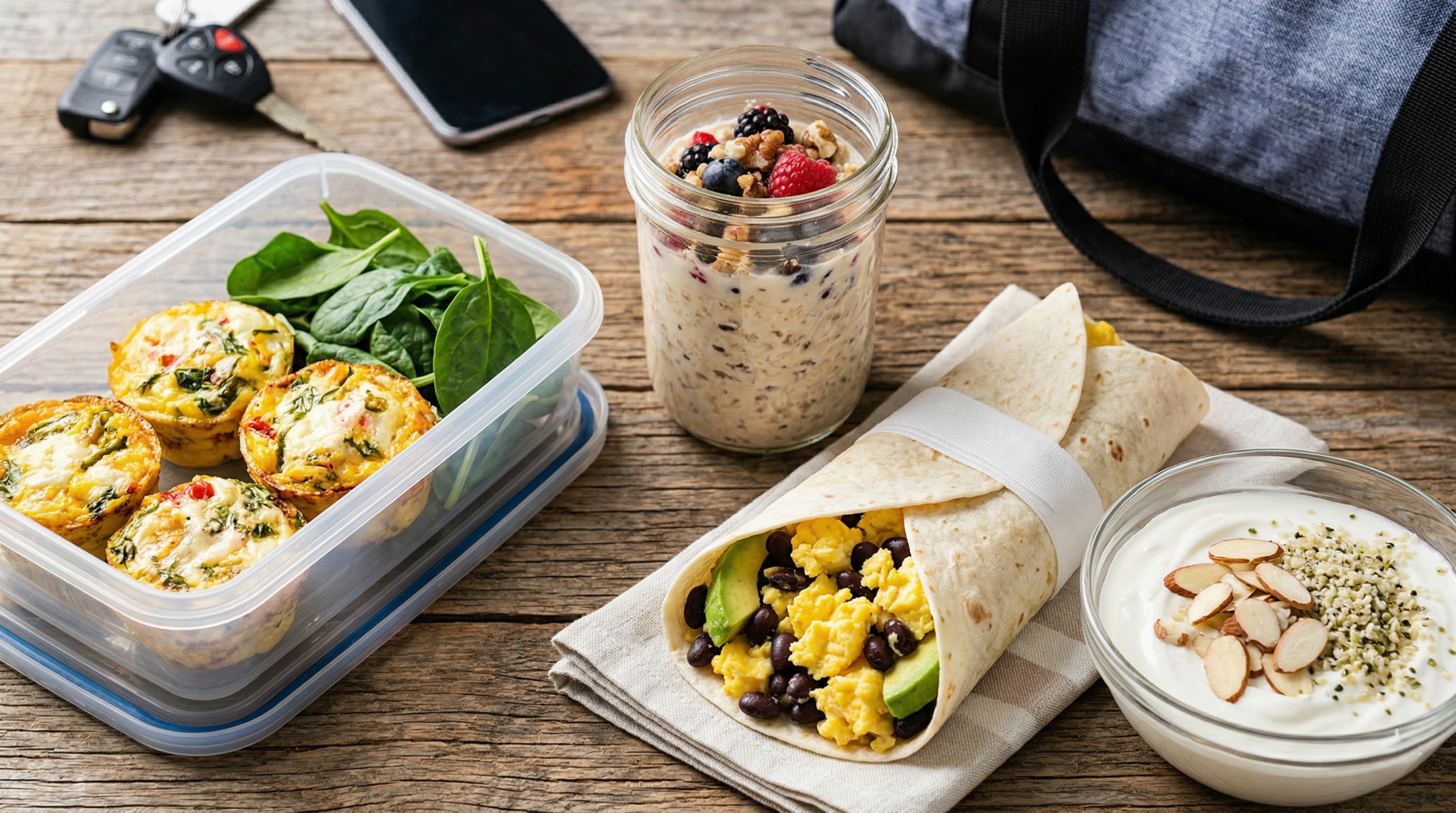
Starting your day with a high-protein breakfast is one of the most effective strategies for maintaining metabolic health and cognitive focus. For busy professionals and parents, finding the time to prepare a nutrient-dense meal can be a challenge. Integrating high-protein breakfast options into your routine helps regulate ghrelin, the hunger hormone, ensuring you stay satiated until your next meal. By prioritizing protein-rich foods early in the day, you provide your body with the necessary amino acids for muscle maintenance and neurotransmitter synthesis.
The Science of High-Protein Breakfasts
The physiological benefits of consuming adequate protein in the morning are supported by extensive clinical research. When you prioritize protein intake, you initiate a thermic effect of food that is higher than that of carbohydrates or fats. This means your body burns more energy simply by digesting the protein. Furthermore, a high-protein breakfast helps stabilize blood glucose levels, preventing the mid-morning energy crashes often associated with high-sugar or refined carbohydrate breakfasts.
- Improved satiety: Protein triggers the release of peptide YY and glucagon-like peptide-1, which signal fullness to the brain.
- Enhanced muscle protein synthesis: Providing your body with essential amino acids after an overnight fast supports muscle repair and growth.
- Cognitive function: Amino acids serve as precursors to dopamine and norepinephrine, which are critical for focus and alertness during the workday.
- Weight management: Studies indicate that individuals who consume a high-protein breakfast are less likely to experience late-night snacking cravings.
Understanding these biological mechanisms allows you to make informed decisions about your morning meals. Whether you are aiming for weight loss or performance optimization, the consistency of your protein intake is the most significant factor. By viewing breakfast as a functional tool rather than just a meal, you can effectively manage your metabolic health.
Quick and Nutrient-Dense Breakfast Ideas
For those with demanding schedules, preparation is the key to consistency. You do not need hours in the kitchen to achieve a balanced nutritional profile. Focus on ingredients that offer high biological value protein, such as eggs, Greek yogurt, cottage cheese, and plant-based protein powders. These ingredients are versatile and can be prepped in advance.
- Overnight Greek Yogurt Bowls: Combine plain Greek yogurt with chia seeds and hemp hearts the night before. Greek yogurt provides roughly 10 grams of protein per 100 grams, while hemp seeds add essential omega-3 fatty acids.
- Egg White and Spinach Frittata Muffins: Bake a batch of these in a muffin tin during the weekend. Eggs are considered the “gold standard” for protein quality because they contain all nine essential amino acids.
- Smoked Salmon on Whole Grain Toast: This provides a robust combination of lean protein and heart-healthy fats. Salmon is a potent source of vitamin D and omega-3s, which support neurological health.
- Cottage Cheese with Berries: Cottage cheese is an excellent source of casein protein, which is slowly digested and provides a steady release of amino acids.
- Protein-Fortified Smoothies: Blend a scoop of high-quality whey or pea protein with frozen berries and unsweetened almond milk. Protein powder is a convenient way to meet daily protein targets when time is limited.
Implementing these options requires minimal culinary skill but offers significant rewards. By rotating these meals, you ensure nutritional variety, which is essential for a diverse gut microbiome. Always ensure your selections include fiber, which slows down glucose absorption and supports long-term digestive health.
Strategic Meal Preparation for Longevity
Meal prep is not just about saving time – it is about creating an environment that supports your health goals. When your refrigerator is stocked with prepared, protein-dense ingredients, you eliminate the psychological barrier of “decision fatigue” in the morning. This proactive approach ensures you stay away from processed breakfast bars or fast-food alternatives that are typically laden with added sugars and refined oils.
- Batch cooking: Dedicate one hour on Sunday to boil eggs, roast vegetables, or portion out dry ingredients for overnight oats.
- Storage solutions: Use high-quality airtight containers to keep your food fresh for up to four days.
- Portability: Choose breakfast options that can be eaten on the go, such as hard-boiled eggs or protein smoothies in insulated tumblers.
- Inventory tracking: Keep a recurring grocery list of staples like eggs, Greek yogurt, nut butters, and frozen fruit to ensure you never run out.
By integrating these strategies, you move from a reactive state of eating to a planned, intentional nutritional protocol. This transition is essential for those balancing high-pressure careers with a desire for holistic wellness. Remember that consistency over time is far more impactful than occasional perfection.
Frequently Asked Questions (FAQ)
Most experts recommend consuming between 20 to 30 grams of protein in the morning to maximize muscle protein synthesis and promote satiety throughout the day, according to the International Society of Sports Nutrition.
Yes, plant-based proteins like soy, pea, and quinoa can be just as effective if you ensure a diverse intake to obtain all essential amino acids. Combining different sources, such as rice and beans, can provide a complete amino acid profile.
Absolutely. Coffee contains antioxidants that may complement the metabolic benefits of your meal. However, avoid adding high-sugar syrups or heavy creams, as these can negate the blood sugar benefits of a protein-rich meal.
Keep “emergency” protein sources on hand, such as pre-portioned protein shakes, hard-boiled eggs, or nuts and seeds. These items require zero preparation and provide high-quality nutrition in seconds.
While breakfast is a powerful tool for blood sugar management and satiety, it is not strictly required if you are practicing intermittent fasting. However, if you do break your fast, ensure your first meal is rich in high-quality protein to break the catabolic state of fasting efficiently, as highlighted by metabolic research.
References
International Society of Sports Nutrition. (2017). International Society of Sports Nutrition position stand: protein and exercise. Journal of the International Society of Sports Nutrition, 14(20). https://jissn.biomedcentral.com/articles/10.1186/s12970-017-0177-8
Harvard T.H. Chan School of Public Health. (n.d.). The Nutrition Source: Protein. https://www.hsph.harvard.edu/nutritionsource/what-should-you-eat/protein/
National Institutes of Health. (2019). Protein and amino acid requirements. https://www.ncbi.nlm.nih.gov/books/NBK234922/
USDA. (2024). FoodData Central. https://www.usda.gov/
Wu, G. (2016). Dietary protein intake and human health. Food & Function, 7(3), 1251-1265. https://pubmed.ncbi.nlm.nih.gov/26797090/