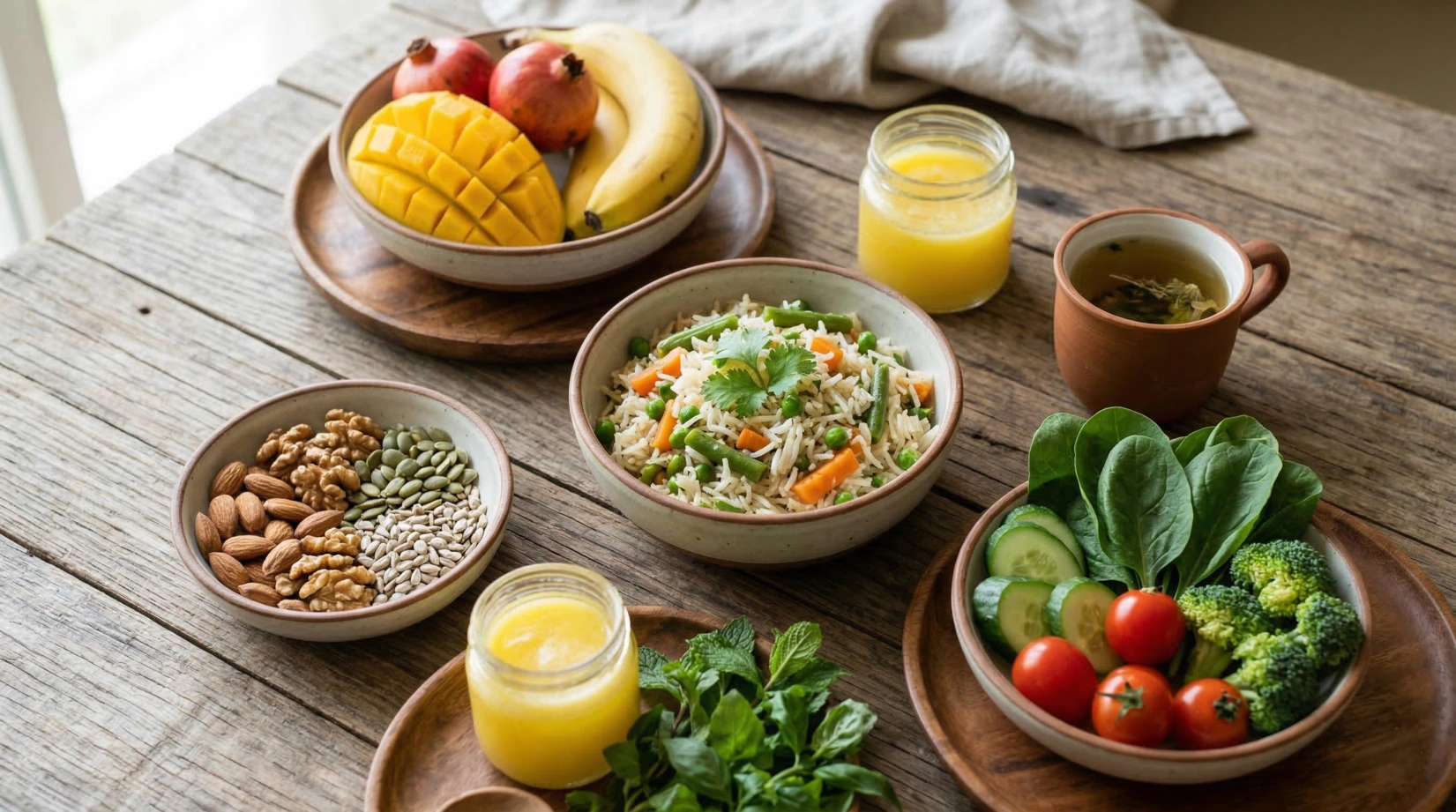
In the modern medical landscape, the intersection of ancient wisdom and nutritional science has birthed a renewed interest in the Sattvic diet. As a medical professional trained in both modern clinical practice and traditional healing modalities, I have observed how dietary choices serve as the primary cornerstone for systemic health. The Sattvic diet, rooted in thousands of years of Ayurvedic tradition, is not merely a meal plan but a philosophical approach to living. It emphasizes the consumption of “pure” foods that promote a calm mind, a resilient body, and a vibrant spirit. By focusing on whole, unprocessed ingredients, this lifestyle aligns closely with modern plant-forward dietary recommendations known to reduce chronic inflammation and metabolic dysfunction.
The concept of “Sattva” translates to purity, harmony, and balance. In the context of nutrition, this means selecting foods that are easy to digest and rich in “Prana” or life-force energy. Research into the gut-brain axis suggests that what we consume directly influences our neurochemistry and our broader mental health as the invisible door that determines longevity. A Sattvic approach prioritizes high-fiber, antioxidant-rich foods that stabilize blood glucose and support microbiome diversity, which is essential for mental clarity. As we delve into this guide, we will explore how shifting your plate toward these principles can transform your physiological and psychological well-being.
The Sattvic diet represents a bridge between nutritional density and spiritual mindfulness. By understanding the energetic qualities of food, one can cultivate a state of “Ojas” – the quintessential energy of the body that supports immune resilience. This guide serves as a comprehensive roadmap for anyone seeking to optimize their health through the lens of both traditional Ayurveda and contemporary nutritional science.
Understanding the Three Gunas: Sattva, Rajas, and Tamas
At the heart of Ayurvedic philosophy lies the concept of the three “Gunas,” or qualities of nature, which govern all material existence, including the human mind and body. These are Sattva (purity and light), Rajas (activity and passion), and Tamas (inertia and darkness). According to the Bhagavad Gita, these forces are constantly in flux within us, influenced heavily by the food we ingest. From a medical perspective, these categories can be viewed as metabolic and psychological states – ranging from homeostasis (Sattva) to hyper-arousal (Rajas) and metabolic slowdown (Tamas).
Sattva: The Quality of Purity and Balance
Sattvic foods are those that are fresh, succulent, and nutrient-dense. These include seasonal fruits, organic vegetables, whole grains, and nuts that have been prepared with intention and eaten in moderation. Consuming these items promotes a state of cognitive stability and reduces the risk of oxidative stress. In clinical terms, a Sattvic diet is essentially an anti-inflammatory diet, which helps prevent cellular damage and supports longevity. By fostering a calm internal environment, Sattva allows the body to maintain its natural healing rhythms and hormonal equilibrium.
Rajas: The Quality of Stimulation and Agitation
Rajasic foods are characterized by intense flavors – salty, spicy, sour, or pungent. While these foods provide a quick burst of energy, they often lead to restlessness, irritability, and physiological stress. Over-consumption of stimulants like caffeine, highly refined sugars, and excessive spices can over-activate the sympathetic nervous system. This hyper-stimulation is a leading cause for people feeling stressed all the time, as the body is kept in a perpetual state of “fight or flight.” While some Rajasic energy is necessary for productivity, an excess creates a cycle of craving and crashing that depletes vital energy.
Tamas: The Quality of Lethargy and Dullness
Tamasic foods are those that are stale, over-processed, chemically preserved, or heavy. This includes “dead” foods like frozen meals, canned goods, alcohol, and excessive meat consumption. These items are difficult for the body to metabolize and contribute to chronic stress and the silent health crisis that defines modern urban life. In modern medicine, we link Tamasic habits to metabolic syndrome and chronic fatigue, as the body struggles to extract vitality from depleted sources. Over time, a Tamasic diet clouds the intellect and leads to emotional numbness or depression.
In summary, the interplay of the Gunas determines our overall constitutional health and mental state. By intentionally choosing Sattvic foods, we tip the metabolic scale toward harmony, reducing the burden on our digestive and nervous systems.
The Simple Guide to Sattvic Food: What to Buy and What to Avoid for a Calm Mind
The Philosophy of Food: Prana, Life Force, and Mental Clarity
The Sattvic diet is fundamentally built on the concept of Prana, the universal life-force energy that flows through all living things. In modern biophysics, we might equate Prana with the biophoton emission and enzyme activity found in fresh, raw, or minimally processed foods. When we eat foods rich in Prana, we are essentially “charging” our biological battery. This isn’t just about calories; it is about the “vitality” of the food molecules and how they interact with our cellular mitochondria. To further support this life force, many turn to Polygala tenuifolia for mental clarity and stress reduction, an herb known for its ability to brighten the spirit.
Mindful eating is a critical component of this philosophy. The manner in which food is prepared and consumed affects its energetic value. Studies show that mindful eating practices can improve digestion by activating the cephalic phase of digestion, which pre-primes the stomach for enzyme secretion. This approach is often paired with mindfulness-based stress reduction to ensure that the body is in a receptive state during meals. When we eat in a Sattvic state – calm, grateful, and focused – our body is better equipped to absorb micronutrients and phytochemicals that are essential for cognitive function.
The connection between food and mental clarity is also backed by the rising field of Nutritional Psychiatry. A diet high in fresh vegetables, seeds, and healthy fats provides the precursors for neurotransmitters like serotonin, 95% of which is produced in the gastrointestinal tract. Integrating a mindfulness-based cognitive therapy guide can help individuals bridge the gap between their dietary choices and their emotional well-being. By maintaining a clean internal environment through Sattvic eating, we facilitate a clearer connection between the gut and the brain.
Benefits of the Sattvic Diet: A Medical and Scientific Guide to Holistic Wellness
The Sattvic Food Groups: A Nutritional Breakdown
A well-constructed Sattvic diet provides a complete profile of essential amino acids, complex carbohydrates, healthy lipids, and a vast array of vitamins and minerals. Unlike restrictive diets, the Sattvic approach is inclusive of diverse plant-based food groups, ensuring that the body receives all the raw materials needed for tissue repair and hormonal balance. As a physician, I emphasize that the quality and origin of these foods – organic and non-GMO where possible – are just as important as the food types themselves. Supporting the diet with adaptogens like Panax Ginseng for energy and cognitive optimization can further enhance these nutritional benefits.
Grains: The Foundation of Energy
Whole grains like basmati rice, quinoa, barley, and oats form the energetic backbone of a Sattvic meal. These complex carbohydrates provide a steady release of glucose into the bloodstream, preventing the insulin spikes associated with refined flours. Grains are also excellent sources of B-vitamins and magnesium, which are crucial for energy metabolism and nervous system health. In Ayurveda, aged grains are preferred as they are lighter and easier for the “Agni” (digestive fire) to process, providing sustained fuel for the brain.
Fresh Fruits and Vegetables: The Sources of Vitality
The Sattvic diet thrives on seasonal, locally grown produce. Fruits like apples, bananas, grapes, and berries offer quick-acting energy along with powerful polyphenols and antioxidants. Vegetables such as leafy greens, zucchini, carrots, and sweet potatoes provide the insoluble and soluble fiber necessary for maintaining a healthy colon. These foods are alkaline-forming, which helps maintain the body’s optimal pH balance. For those struggling with blood sugar regulation, integrating Plumula Nelumbinis or Lotus Embryo can provide additional therapeutic support for stress and glucose levels.
Legumes, Nuts, and Seeds: Essential Proteins and Fats
Protein in a Sattvic diet comes primarily from easily digestible legumes like mung dal (yellow split mung beans) and lentils. These are often paired with grains to form a complete protein profile. Nuts and seeds, such as almonds, walnuts, and pumpkin seeds, provide the omega-3 and omega-6 fatty acids required for brain health. Soaking nuts before consumption is a common practice to neutralize phytic acid, making the minerals more bioavailable. This nutrient density is critical for preventing the hormonal depletion and stress-induced capacity loss often seen in malnourished individuals.
Dairy and Ghee: The Sacred Lubricants
Sattvic tradition allows for the moderate consumption of high-quality dairy, provided it comes from ethical, grass-fed sources. Ghee (clarified butter) is especially revered for its ability to enhance digestion and transport herbal properties deep into the body’s tissues. Modern research suggests ghee is rich in butyrate, a short-chain fatty acid that supports gut lining health. Pure fats from ghee are essential for the myelin sheath of nerves, promoting better communication within the nervous system.
In conclusion, the Sattvic food groups represent a diverse palette of nutrients that satisfy the body’s biological needs while maintaining energetic purity. Adhering to these groups ensures a balanced intake of macro and micronutrients that support long-term physiological health and mental equilibrium.
The 7-Day Sattvic Meal Plan: A Doctor’s Guide to Reclaiming Your Energy and Peace
Physiological and Psychological Benefits of a Sattvic Lifestyle
The benefits of a Sattvic diet extend far beyond weight management; it is a holistic intervention for the entire human organism. By removing the “noise” of processed stimulants and heavy toxins, the body can redirect its energy toward autophagy and cellular repair. From a clinical perspective, patients who adopt these principles often report significant improvements in stress, cortisol, and the science of inflammaging. Reducing these inflammatory markers is the key to reversing the biological clock and maintaining youthful vigor.
Improved Digestion and Metabolic Efficiency
One of the primary goals of Sattvic eating is the optimization of “Agni” or digestive fire. By eating light, warm, and freshly cooked meals, we prevent the formation of “Ama” (metabolic toxins). Scientific literature supports this by showing that warm foods are easier to break down and that consistent meal timing regulates our circadian rhythms of digestion. This leads to better nutrient absorption and a significant reduction in gastrointestinal discomfort, allowing the body to function with effortless efficiency.
Enhanced Mental Focus and Emotional Stability
Because the Sattvic diet is low in neuro-excitants, it allows the neurotransmitter systems to return to a baseline of calm. The inclusion of “Medhya” (brain-boosting) foods supports the production of brain-derived neurotrophic factor (BDNF), which is essential for neuroplasticity. Using specialized supplements can help, such as understanding how Naturem Memory supports stress relief and mild depression. Many practitioners find that their meditation practices become much more profound after transitioning to a diet that promotes such deep neural stability.
Immune Support and Systemic Resilience
A diet rich in diverse plant compounds provides a robust foundation for the immune system. The high levels of Vitamin C, Zinc, and Selenium found in Sattvic staples are vital for the function of T-cells and macrophages. Furthermore, the anti-microbial properties of spices like turmeric and ginger help the body fight off infections naturally. This systemic resilience ensures that the body can withstand environmental stressors without falling into a state of chronic disease.
The Sattvic lifestyle creates a state of “ease” rather than “dis-ease.” By aligning our internal chemistry with the rhythms of nature, we foster a biological environment where health and happiness can flourish naturally.
Sattvic Breakfast Ideas: Nourishing Your Morning for Mental Clarity and Vitality
Transitioning to a Sattvic Lifestyle: A Practical Step-by-Step Guide
Transitioning to a Sattvic diet does not require an overnight overhaul of your entire life. Instead, it is a journey of gradual refinement and increasing awareness. The goal is to slowly replace Rajasic and Tamasic habits with Sattvic ones, allowing your palate and microbiome to adjust. For many, this starts with simply choosing fresh fruit over a sugary snack or incorporating 15 mental health exercises to reduce stress and improve wellbeing into their daily routine.
- Audit Your Pantry: Remove highly processed snacks, refined sugars, and items with chemical additives that cloud the mind.
- Embrace “Fresh is Best”: Aim to eat food within three to four hours of cooking to ensure maximum enzymatic activity.
- Mind the Spices: Transition away from extreme heat (chili) toward digestive spices like cumin, coriander, and fennel.
- Hydrate Purely: Drink warm water or herbal teas instead of caffeinated sodas that spike cortisol.
- Practice Micro-Mindfulness: Use 5-minute mental health exercises for instant stress relief before each meal to center your energy.
- Listen to Your Hunger: Eat only when you are truly hungry and stop when you are about 75% full to allow space for proper gastric mixing.
Transitioning is as much about the “how” as it is about the “what.” By focusing on the quality of your ingredients and the intention behind your meals, you will find that the body naturally begins to crave the purity of Sattvic foods.
Starting a Sattvic journey is an act of self-respect. As your body cleanses itself of heavy, dulling influences, you will experience a natural surge in energy and a newfound clarity that makes the transition feel less like a “diet” and more like a return to your true nature.
The Art of Spice: How to use Turmeric, Ginger, and Cardamom without over-stimulating the body
Frequently Asked Questions (FAQ)
In strict traditional terms, meat is considered Tamasic because it involves the ending of life and is heavy to digest. However, some modern adaptations allow for very light, fresh fish if it is necessary for a person’s specific metabolic constitution (Dosha). Ideally, the goal is to move toward a plant-based structure to maximize the Sattvic benefits of Prana and purity.
Coffee is considered Rajasic because it artificially stimulates the nervous system and can lead to adrenal fatigue. If you cannot quit coffee immediately, try switching to a smaller amount of organic, shade-grown coffee or transition to green tea, which provides a more stable energy release without the jittery side effects.
They are healthy! From a modern medical perspective, onions and garlic have excellent antimicrobial and cardiovascular benefits. However, in Ayurveda, they are classified as Rajasic because they can over-stimulate the senses. For those seeking deep meditation, they are often avoided, but for the average person, they can be used in moderation as long as they do not cause digestive distress.
Actually, a Sattvic diet can be very cost-effective. The staples – grains, beans, and seasonal vegetables – are often much cheaper than processed convenience foods or high-end meats. Buying in bulk and cooking at home are the keys to keeping this lifestyle affordable while ensuring the highest quality of nutrition.
References
- Chauhan, A., & Chauhan, V. (2020). Ayurvedic perspective on diet and lifestyle. Journal of Traditional and Complementary Medicine, 10(3), 251-258. https://doi.org/10.1016/j.jtcme.2020.03.003
- Harvard T.H. Chan School of Public Health. (2023). Diet Review: Anti-Inflammatory Diet. The Nutrition Source. https://www.hsph.harvard.edu/nutritionsource/healthy-weight/diet-reviews/anti-inflammatory-diet/
- Mishra, S. K., & Singh, R. (2018). The concept of Ahara in Ayurveda: A comprehensive review. International Journal of Green Pharmacy, 12(1), S10-S15.
- National Center for Complementary and Integrative Health (NCCIH). (2021). Ayurvedic Medicine: In Depth. https://www.nccih.nih.gov/health/ayurvedic-medicine-in-depth
- Sarkar, P. K., & Das, S. (2015). Ghee: Its properties and health benefits. International Journal of Research in Ayurveda and Pharmacy, 6(5), 567-571. https://doi.org/10.7897/2277-4343.065106
- Wallace, R. K. (2020). The Gut-Brain Axis and the Physiology of Consciousness. International Journal of Psychological Studies, 12(2), 1-12.