Many people who wake up with a pounding head or who feel dizzy and drained worry: “Could this be high blood pressure?” The short answer: sometimes – but usually not. High blood pressure (hypertension) is often symptomless, but in certain situations it can cause headaches, dizziness, and fatigue – and in rare cases, these symptoms signal a medical emergency.
This article explains what to look for, how to check your blood pressure at home, and when to seek care.
What is high blood pressure (hypertension)?
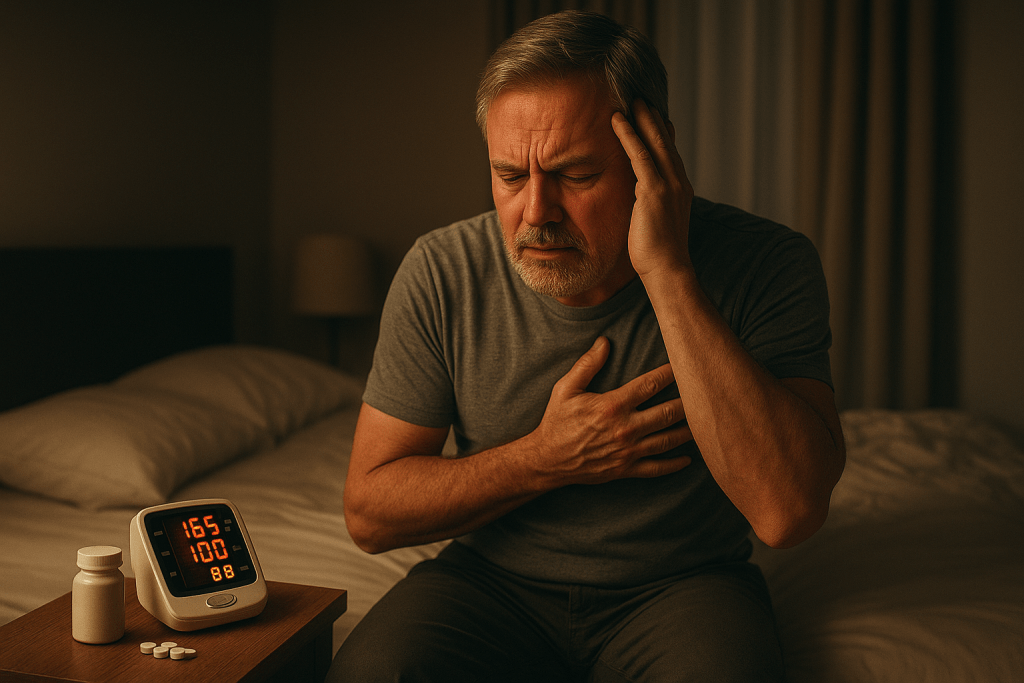
Blood pressure measures the force of blood pushing against artery walls. Two numbers are recorded: systolic (pressure when the heart beats) and diastolic (pressure when the heart rests). Normal is generally <120/80 mmHg.
Persistently high readings (e.g., ≥130/80 mmHg depending on guidelines and individual risk) define hypertension and increase long-term risk of heart attack, stroke, kidney disease and vision loss. Regular measurement is essential because hypertension is often silent.
Why hypertension often has no clear symptoms
For most people, high blood pressure causes no immediate, specific symptoms, which is why it’s called the “silent killer.” Symptoms tend to appear only when blood pressure is extremely high, when it has caused organ damage, or when medications or other conditions interact with blood pressure. Because many common complaints (headache, tiredness, dizziness) have many possible causes, they are poor on their own at diagnosing hypertension.
Common symptoms of high blood pressure
High blood pressure is often called the “silent killer” because most people show no clear symptoms until complications develop. However, when blood pressure becomes dangerously high, several warning signs may appear, such as:
- Headaches, especially in the morning
- Dizziness or light-headedness
- Blurred or double vision
- Chest pain or tightness
- Shortness of breath
- Fatigue or confusion
- Nosebleeds
These symptoms are not exclusive to hypertension, but when they occur suddenly or persist, they may signal a hypertensive crisis that requires immediate medical attention. Regular blood pressure checks are crucial for early detection.
When head pain, dizziness, or tiredness may mean emergency care

Some symptom patterns require immediate attention because they suggest a hypertensive emergency – very high blood pressure with organ damage (brain, heart, kidneys, eyes). Seek emergency care if any of the following accompany very high BP or come on suddenly:
- Severe, sudden headache (often described as “worst ever”)
- Sudden blurred vision, vision loss, or double vision
- Chest pain or shortness of breath
- Sudden weakness, numbness, slurred speech, confusion (possible stroke)
- Seizures or decreased consciousness
A hypertensive emergency often occurs with readings ≥180/120 mmHg and requires urgent management to prevent permanent injury.
How to check and monitor your blood pressure at home
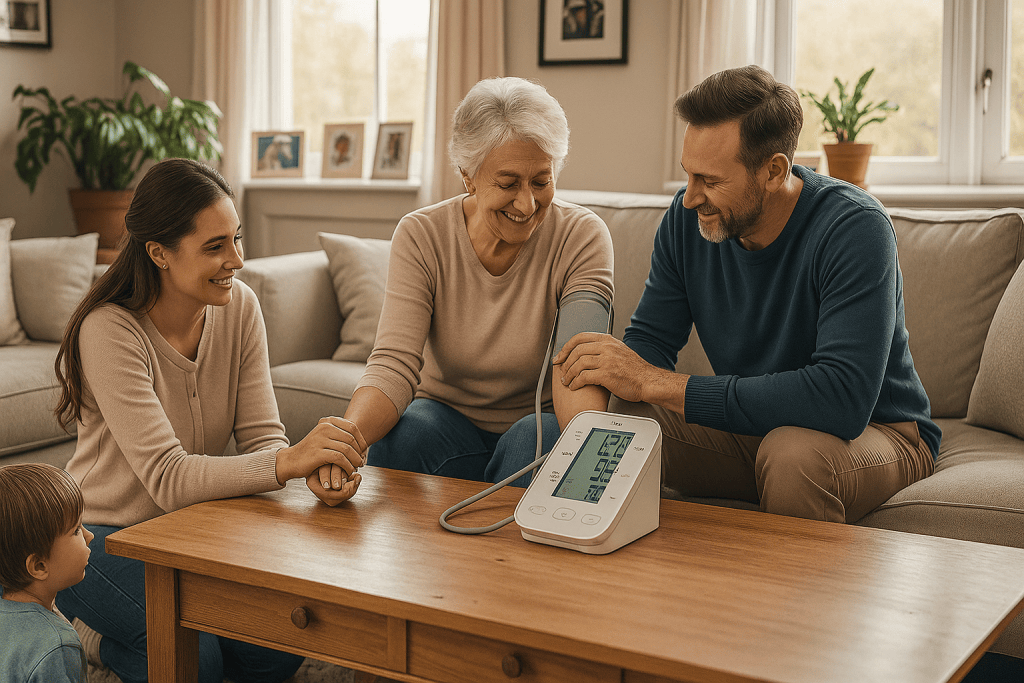
- Get a validated automatic cuff (upper-arm cuff preferred). Ask your clinic for recommended models.
- Measure properly: sit quietly 5 minutes, feet flat, back supported, arm at heart level; use correct cuff size. Take two readings 1 – 2 minutes apart and record both.
- When to measure: morning before medication or caffeine, and evening; also when symptoms occur (e.g., during or right after a dizzy spell). Bring the log to your provider.
- When results matter: repeated elevated readings (e.g., consistent ≥130/80 mmHg or per your clinician’s target) merit clinical follow-up. Readings ≥180/120 mmHg with symptoms are an emergency.
What to do if your readings or symptoms are worrying
- If BP is very high (≥180 systolic or ≥120 diastolic) with symptoms listed above → call emergency services immediately.
- If BP is elevated but you have no severe symptoms, contact your clinician for advice; they may suggest repeat home monitoring, medication review, or clinic testing.
- If you experience recurrent headaches, dizziness, or unexplained fatigue, keep a symptom + BP diary and share it with your healthcare provider to help establish patterns.
Preventing and managing high blood pressure (practical tips)

Evidence-based steps to lower BP and reduce symptom risk:
- Diet: follow a DASH-style diet (fruits, vegetables, low sodium, whole grains).
- Sodium: reduce processed foods and added salt.
- Activity: aim for regular moderate-intensity exercise (e.g., 150 min/week).
- Weight & alcohol: maintain healthy weight; limit alcohol.
- Sleep & stress: improve sleep hygiene and use stress-reduction techniques (breathing, mindfulness).
- Medication adherence: take BP meds as prescribed and review side effects (some meds can cause dizziness or fatigue).
These interventions are supported by major health organizations and reduce cardiovascular risk over time.
Frequently Asked Questions (FAQs)
Yes – a single headache alone is unlikely diagnostic, but checking BP is a simple first step, especially if you have risk factors. If your BP is very high or the headache is sudden and severe, seek emergency care. https://www.heart.org/en/health-topics/high-blood-pressure
Yes. Dizziness is a known side effect of some antihypertensives (especially when standing). If dizziness begins or worsens after starting or changing medication, contact your prescriber. Also rule out dehydration, low blood pressure, or other causes.
Record several readings (morning and evening) for a few days, double-check technique and cuff size, and share the log with your clinician before making changes. Do not stop meds abruptly without medical advice.
Not usually. Fatigue has many causes. If fatigue is persistent, worsening, or combined with other signs (breathlessness, swelling, fainting, headaches), see your doctor and bring BP readings if available.
Call emergency services immediately if symptoms are sudden and severe – especially severe headache, sudden vision loss, chest pain, slurred speech, weakness/numbness, or loss of consciousness – or if you know your BP is extremely high (e.g., ≥180/120) and you have these symptoms – this could be a hypertensive emergency
References
American Heart Association. (n.d.). High blood pressure (hypertension). Retrieved October 25, 2025, from https://www.heart.org/en/health-topics/high-blood-pressure
American Heart Association. (n.d.). Understanding blood pressure readings. Retrieved October 25, 2025, from https://www.heart.org/en/health-topics/high-blood-pressure/understanding-blood-pressure-readings
Centers for Disease Control and Prevention. (2023, September 6). About high blood pressure. U.S. Department of Health & Human Services. https://www.cdc.gov/bloodpressure/about.htm
Centers for Disease Control and Prevention. (2023, May 3). Preventing high blood pressure. U.S. Department of Health & Human Services. https://www.cdc.gov/bloodpressure/prevention.htm
MedlinePlus. (2023, October 17). High blood pressure. U.S. National Library of Medicine. https://medlineplus.gov/highbloodpressure.html
MedlinePlus. (2023, October 17). Hypertensive emergencies. U.S. National Library of Medicine. https://medlineplus.gov/ency/article/000468.htm
MedlinePlus. (2022, September 22). Blood pressure medicines. U.S. National Library of Medicine. https://medlineplus.gov/bloodpressuremedicines.html
National Heart, Lung, and Blood Institute. (2022, August 9). High blood pressure (hypertension). National Institutes of Health. https://www.nhlbi.nih.gov/health/high-blood-pressure
National Heart, Lung, and Blood Institute. (2021, April 26). DASH eating plan. National Institutes of Health.https://www.nhlbi.nih.gov/health/dash-eating-plan
World Health Organization. (2023, March 16). Hypertension. https://www.who.int/news-room/fact-sheets/detail/hypertension