
A brain aneurysm is a potentially fatal condition that can remain silent for years – until it ruptures, causing bleeding into the brain known as asubarachnoid hemorrhage (SAH). Early recognition of subtle symptoms such as vision changes, facial weakness, or sudden severe headaches can save lives.
While some aneurysms are found incidentally during brain scans, others remain undetected until serious complications occur. Knowing the types of aneurysms and key risk factors – such as high blood pressure, smoking, and genetic predisposition – helps with early detection and prevention. Prompt medical evaluation at the first warning signs greatly improves survival and recovery.
What Is a Brain Aneurysm?
A brain aneurysm is a weak, bulging area in the wall of a brain artery. Over time, blood flow pressure can cause this spot to balloon outward like a blister.
When it ruptures, it leads to a subarachnoid hemorrhage (SAH) – bleeding into the space surrounding the brain – which can cause stroke, brain damage, or death.
Aneurysms are often discovered incidentally during CT angiography (CTA) or magnetic resonance angiography (MRA) for other medical reasons.
How Symptoms Are Grouped?
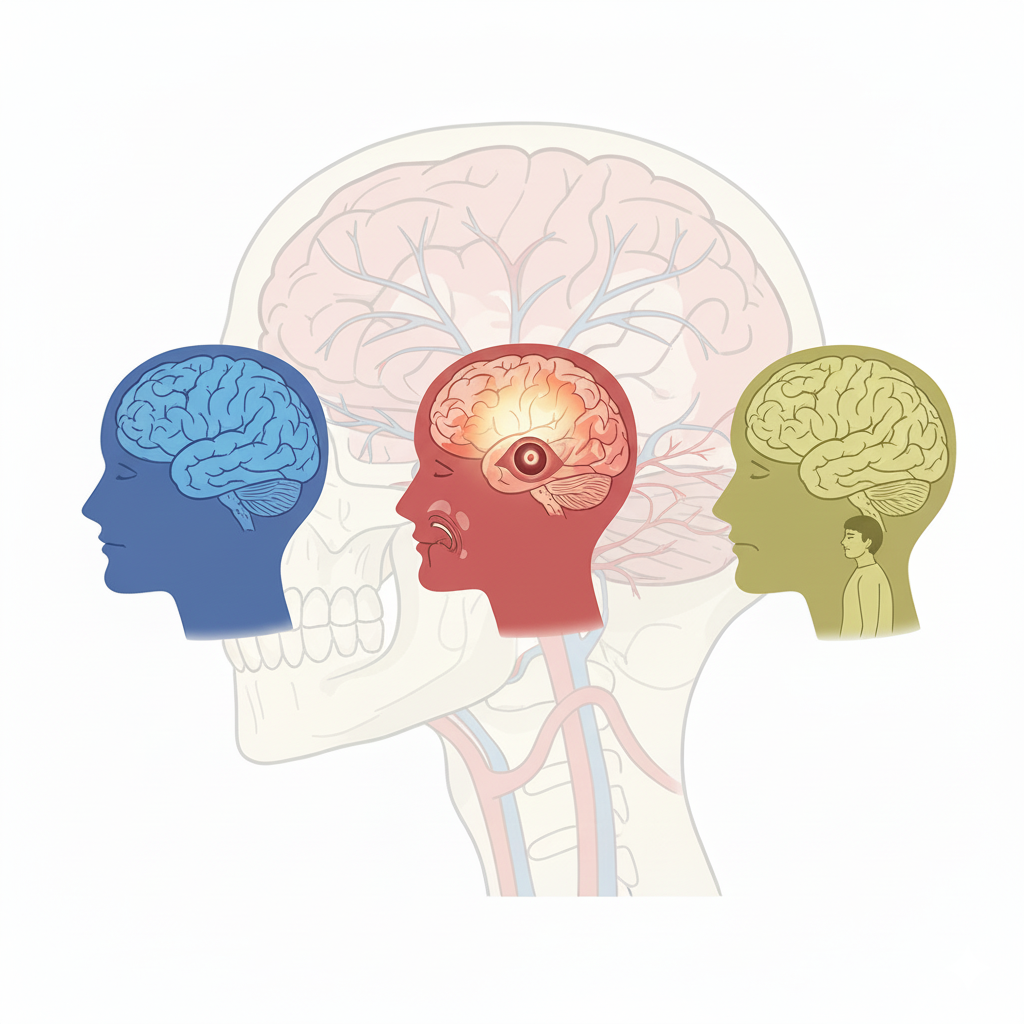
Clinicians generally divide brain aneurysm symptoms into three key categories:
- Unruptured aneurysm symptoms – Often mild or absent, but pressure on nearby nerves may cause blurred vision, facial pain, or localized headaches. Early detection can prevent serious complications.
- Warning leak (sentinel headache) – A small bleed that occurs before rupture, often presenting as a sudden, severe headache – sometimes called a sentinel bleed – along with nausea or neck stiffness. Recognizing it can be life-saving.
- Ruptured aneurysm symptoms (SAH) – A medical emergency marked by subarachnoid hemorrhage, causing an explosive headache, vomiting, or loss of consciousness.
Knowing which type of symptom pattern you experience helps determine whether you need urgent evaluation or routine neurological care.
Symptoms of an Unruptured Aneurysm
An unruptured aneurysm often causes no symptoms unless it compresses nearby structures such as the cranial nerves.
Possible symptoms include:
- Vision changes: pain behind the eye, ptosis (drooping eyelid), diplopia (double vision), or dilated pupil.
- Facial numbness or weakness: caused by pressure on cranial nerve VII (facial nerve).
- Persistent headaches: different in severity or pattern than typical tension or migraine headaches.
- Occasional seizures if nearby brain tissue is irritated.
Although these symptoms can mimic benign issues, persistent or unexplained neurological signs require assessment by a neurologist or neurosurgeon.
Warning Leak: A Critical Early Sign
A sentinel headache may appear days or weeks before an aneurysm rupture, caused by a small leak of blood from the vessel wall. It typically presents as a sudden, severe headache – often described as the worst headache ever – accompanied by neck stiffness, light sensitivity (photophobia), or nausea. Recognizing and seeking care early can prevent a life-threatening subarachnoid hemorrhage.
Studies on PubMed Central (PMC) confirm that sentinel headaches precede rupture in a significant portion of cases. Early diagnosis during this stage can prevent fatal outcomes.
If you experience a new, explosive headache unlike your usual pattern, seek medical attention immediately – even if it subsides.
Symptoms of a Ruptured Aneurysm
A ruptured aneurysm causes subarachnoid hemorrhage, producing a thunderclap headache – an abrupt, excruciating pain reaching maximum intensity within seconds.
Additional symptoms include:
- Neck stiffness and severe pain
- Nausea, vomiting, confusion, or loss of consciousness
- Seizures
- Sudden weakness, facial drooping, or slurred speech (similar to stroke symptoms)
- Photophobia (light sensitivity)
This is a medical emergency – call emergency services immediately. Rapid imaging and intervention can drastically improve survival.
How Doctors Diagnose a Brain Aneurysm
When doctors suspect an aneurysm or bleeding, several imaging studies are performed:
- CT scan – first-line test to detect bleeding.
- CT angiography (CTA) orMR angiography (MRA) – identify aneurysm shape, size, and location.
- Lumbar puncture (spinal tap) – checks for blood in the cerebrospinal fluid if CT is normal.
- Digital subtraction angiography (DSA) – the gold standard for detailed vascular imaging and surgical planning.
Timely imaging within hours of onset improves diagnostic accuracy and survival outcomes.
Treatment Options
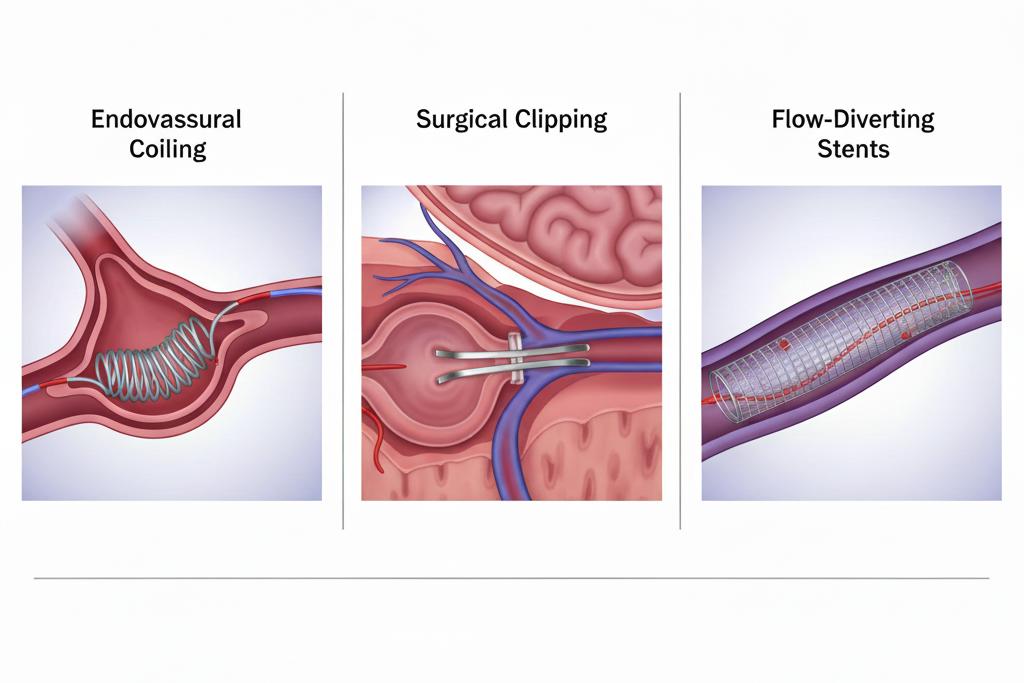
Treatment strategy depends on whether the aneurysm is ruptured or unruptured, and its anatomical characteristics:
- Endovascular coiling: inserting coils to block blood flow into the aneurysm.
- Surgical clipping: placing a metal clip at the aneurysm base to prevent rupture.
- Flow-diverting stents: redirecting blood flow for large or complex aneurysms.
Ruptured aneurysm care also includes:
- Controlling blood pressure (hypertension)
- Preventing vasospasm with calcium-channel blockers
- Managing hydrocephalus by draining excess cerebrospinal fluid
All treatments require multidisciplinary management in a neurocritical care unit.
Who Is at Higher Risk?
People with the following conditions or habits have an increased risk:
- Hypertension
- Smoking
- Family history of aneurysms or hemorrhagic stroke
- Ehlers–Danlos syndrome or polycystic kidney disease
- Age 40 – 60 and female sex (higher prevalence shown in studies)
- Cocaine or stimulant drug use
Reducing modifiable risks like smoking and high blood pressure significantly decreases rupture likelihood.
When to Seek Immediate Help?
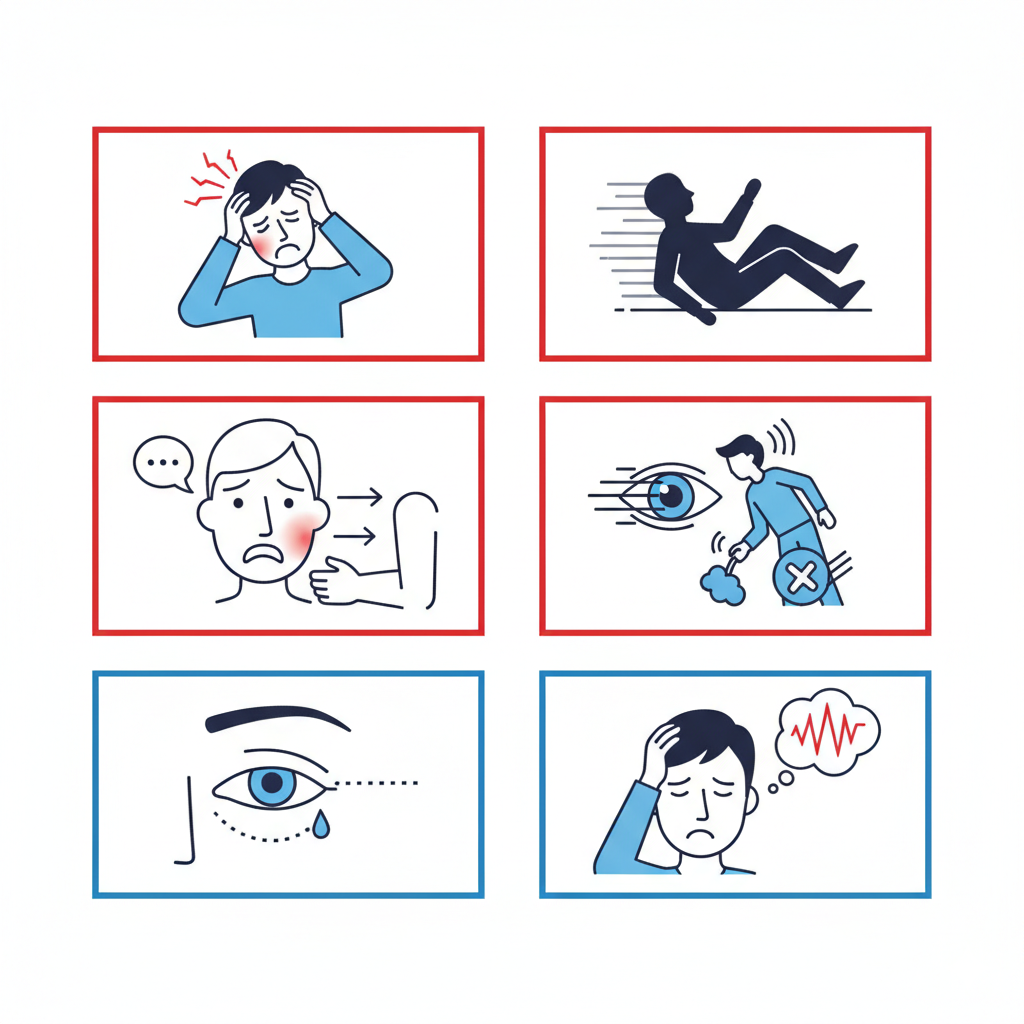
Call emergency services immediately if you experience:
- Sudden “worst headache of your life”
- Sudden fainting or seizure
- Sudden weakness or trouble speaking
- Vision changes with nausea or vomiting
Seek medical evaluation within days if you notice:
- Persistent drooping eyelid or facial numbness
- Chronic headaches that differ from your usual type
These symptoms may signal an underlying brain aneurysm or other serious neurologic condition, so early recognition and prompt medical care can be life-saving.
Frequently Asked Questions (FAQs)
Yes, but most headaches are not from aneurysms. Only when it leaks or ruptures does the headache become sudden and extreme.
Migraines build gradually and have a familiar pattern, while aneurysm headaches are instantaneous, severe, and often accompanied by neurological symptoms.
It’s a sudden severe headache caused by a small aneurysm leak – an early warning before rupture.
CT, CTA/MRA, and DSA provide imaging confirmation.
Yes – controlling blood pressure, quitting smoking, and reducing alcohol or stimulant use help prevent aneurysm formation and rupture.
References
National Institute of Neurological Disorders and Stroke (NINDS). Brain Aneurysm. Bethesda (MD): NINDS; [cited 2025 Oct 26]. https://www.ninds.nih.gov/health-information/disorders/brain-aneurysm
Mayo Clinic. Brain Aneurysm: Symptoms & Causes. Rochester (MN): Mayo Foundation for Medical Education and Research; [updated 2024 Feb 29; cited 2025 Oct 26]. https://www.mayoclinic.org/diseases-conditions/brain-aneurysm/symptoms-causes/syc-20361483
PubMed Central. Sentinel Headache Before Rupture: A Warning Sign of Intracranial Aneurysm. Bethesda (MD): U.S. National Library of Medicine; [cited 2025 Oct 26]. https://www.ncbi.nlm.nih.gov/pmc/
National Center for Biotechnology Information (NCBI). Subarachnoid Hemorrhage Overview. Bethesda (MD): NCBI Bookshelf; [cited 2025 Oct 26]. https://www.ncbi.nlm.nih.gov/books/NBK441958/
World Health Organization (WHO). Hypertension: Fact Sheet. Geneva: WHO; [updated 2023 Sep; cited 2025 Oct 26]. https://www.who.int/news-room/fact-sheets/detail/hypertension