
Chronic inflammation is a silent culprit behind many modern health conditions, from arthritis and heart disease to diabetes and autoimmune disorders. While medications can provide relief, there are powerful natural approaches that can effectively reduce inflammation and support your body’s healing process.
Why Addressing Inflammation Naturally Matters
Unlike acute inflammation that helps your body heal from injury, chronic inflammation persists silently, damaging healthy tissues over time. Natural anti-inflammatory approaches offer several advantages:
- Gentle on the body: No harsh side effects like some medications
- Holistic healing: Addresses root causes, not just symptoms
- Cost-effective: Many solutions are accessible and affordable
- Preventive care: Builds long-term resilience against disease
Shifting toward a preventive, plant-based approach allows you to address inflammation before it manifests as chronic disease, making wellness a daily habit rather than a medical necessity.
Anti-Inflammatory Foods You Should Eat More Often
Your diet is one of the most powerful tools for fighting inflammation. Focus on these nutrient-dense foods:
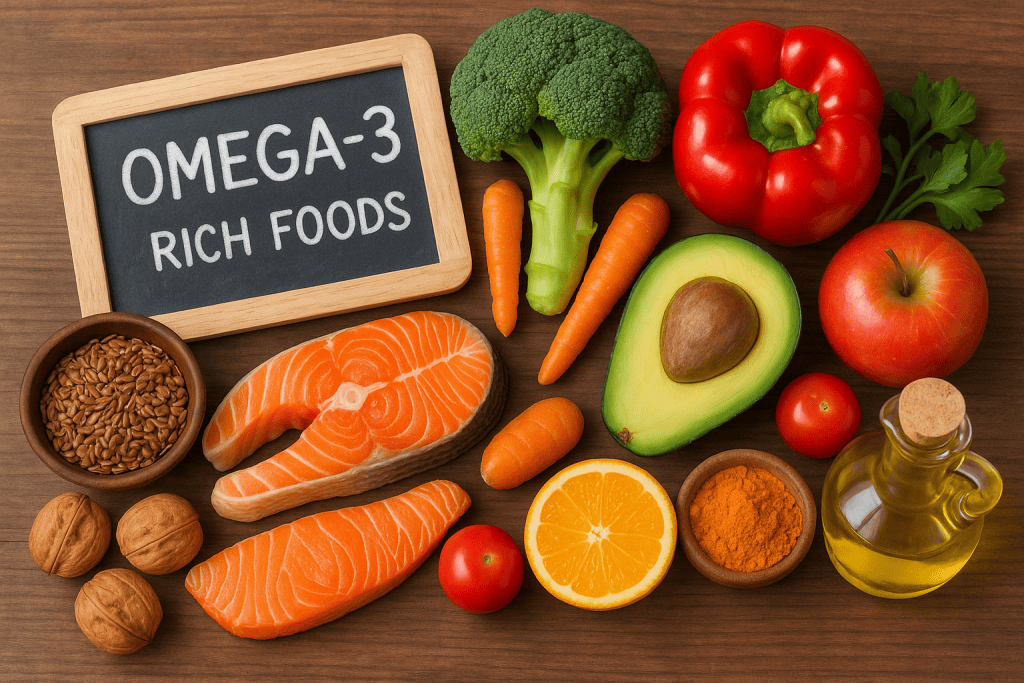
Omega-3 Rich Foods
- Fatty fish (salmon, sardines, mackerel)
- Walnuts and chia seeds
- Flaxseeds and hemp hearts
Colorful Fruits and Vegetables
- Berries (blueberries, strawberries, blackberries)
- Leafy greens (spinach, kale, Swiss chard)
- Cruciferous vegetables (broccoli, cauliflower, Brussels sprouts)
- Orange and red vegetables (carrots, sweet potatoes, bell peppers)
Anti-Inflammatory Spices
- Turmeric: Contains curcumin, a potent anti-inflammatory compound
- Ginger: Reduces inflammatory markers and supports digestion
- Garlic and onions: Rich in sulfur compounds that fight inflammation
Healthy Fats
- Extra virgin olive oil
- Avocados
- Nuts and seeds
Centering your plate on these whole foods shifts your internal chemistry from chronic inflammation to active cellular repair.
Physical Activity and Movement That Lowers Inflammation
Regular movement is crucial for reducing chronic inflammation. The key is consistency over intensity:
Low-Impact Exercises
- Walking: 30 minutes daily can significantly reduce inflammatory markers
- Swimming: Gentle on joints while providing full-body benefits
- Yoga: Combines movement with stress reduction
- Tai chi: Promotes balance and reduces inflammation in older ad
Strength Training
Moderate resistance training 2-3 times per week helps build muscle mass, which naturally reduces inflammatory cytokines.
The Importance of Recovery
Don’t overlook rest days and gentle stretching. Overexercising can actually increase inflammation, so listen to your body.

Sleep, Stress, and Hormonal Balance
Poor sleep and chronic stress are major drivers of inflammation. Here’s how to address them:
Sleep Optimization
- Aim for 7-9 hours of quality sleep nightly
- Maintain consistent sleep-wake cycles
- Create a cool, dark sleeping environment
- Avoid screens 1 hour before bedtime
Stress Management Techniques
- Mindfulness meditation: Just 10-15 minutes daily can reduce inflammatory markers
- Deep breathing exercises: Activates the parasympathetic nervous system
- Journaling: Helps process emotions and reduce mental inflammation
- Spending time in nature: Reduces cortisol levels naturally
Hormonal Balance
Chronic stress disrupts cortisol, insulin, and other hormones that regulate inflammation. Consider adaptogenic herbs like ashwagandha to support hormonal balance.

Best Herbal Remedies Backed by Science
- Olive: Contains oleocanthal, reducing inflammatory markers like ibuprofen.
- Garlic: Allicin inhibits inflammatory pathways and oxidative stress.
- Ginger: Blocks prostaglandins and leukotrienes, proven effective for arthritis pain.
- Turmeric: Curcumin inhibits NF-κB pathway, reducing multiple inflammatory markers.
- Drynaria Fortunei: Flavonoids suppress inflammatory cytokines, supporting joint health.
- Rhizoma Homalomena: Homalomenolides reduce inflammatory mediators and joint damage.
These herbs work synergistically through enzyme inhibition, cytokine modulation, and antioxidant activity. Research shows significant benefits for chronic inflammation, arthritis, and cardiovascular health when used consistently as part of holistic anti-inflammatory protocols.
Creating a Sustainable Anti-Inflammatory Lifestyle
Building lasting change requires a comprehensive approach:
Start Small
- Add one anti-inflammatory food daily
- Take a 10-minute walk after meals
- Replace one processed snack with fruit or nuts
Build Consistent Routines
- Meal prep with anti-inflammatory ingredients
- Schedule regular movement breaks
- Establish a calming bedtime routine
Track Your Progress
Monitor how you feel, energy levels, pain levels, and overall well-being. This helps identify what works best for your body.
Stay Consistent
Results take time, typically 4-8 weeks to notice significant improvements. Consistency is more important than perfection.

Looking for a Natural Solution?
If you’re seeking a science-backed way to support joint health and reduce chronic inflammation naturally, consider Naturem™ Joints+. This herbal supplement combines clinically studied ingredients to:
- Relieve joint stiffness and pain
- Support cartilage repair and flexibility
- Help combat chronic inflammation at its source
Start nourishing your body the natural way, because lasting relief doesn’t have to come with side effects.
Frequently Asked Questions (FAQ)
How long does it take to see results from natural anti-inflammatory approaches?
Most people begin noticing improvements in energy levels and reduced pain within 2-4 weeks. Significant changes in inflammatory markers typically occur after 6-12 weeks of consistent lifestyle changes.
Can natural methods replace my prescription anti-inflammatory medications?
Natural approaches can be highly effective, but you should never stop prescribed medications without consulting your healthcare provider. Many people successfully reduce their medication dependence over time with professional guidance.
Are there any side effects to natural anti-inflammatory remedies?
While generally safe, some people may experience mild side effects. For example, high doses of turmeric can cause stomach upset, and ginger may interact with blood thinners. Always consult a healthcare provider before starting new supplements.
Which anti-inflammatory foods should I prioritize?
Focus on fatty fish for omega-3s, leafy greens for antioxidants, berries for polyphenols, and turmeric for curcumin. The Mediterranean diet is an excellent template for anti-inflammatory eating.
References
Calder, P. C. (2017). Omega-3 fatty acids and inflammatory processes: From molecules to man. Biochemical Society Transactions, 45(5), 1105–1115. https://doi.org/10.1042/BST20160474
Cesari, M., Penninx, B. W., Pahor, M., Lauretani, F., Corsi, A. M., Williams, G. R., … & Ferrucci, L. (2004). Inflammatory markers and physical performance in older persons: The InCHIANTI study. The Journals of Gerontology Series A: Biological Sciences and Medical Sciences, 59(3), 242–248. https://doi.org/10.1093/gerona/59.3.M242
Chandrasekhar, K., Kapoor, J., & Anishetty, S. (2012). A randomized, double-blind study of high-concentration full-spectrum ashwagandha extract for reducing stress and anxiety. Indian Journal of Psychological Medicine, 34(3), 255–262. https://doi.org/10.4103/0253-7176.106022
Gupta, S. C., Patchva, S., & Aggarwal, B. B. (2013). Therapeutic roles of curcumin: Lessons learned from clinical trials. The AAPS Journal, 15(1), 195–218. https://doi.org/10.1208/s12248-012-9432-8
Henrotin, Y., Clutterbuck, A. L., Allaway, D., Lodwig, E. M., Harris, P., Mathy-Harter, M., … & Mobasheri, A. (2010). Biological actions of curcumin on articular chondrocytes. The Open Rheumatology Journal, 4, 1–11. https://doi.org/10.2174/1874312901004010001
Hewlings, S. J., & Kalman, D. S. (2017). Curcumin: A review of its effects on human health. Foods, 6(10), 92. https://doi.org/10.3390/foods6100092
Irwin, M. R., Wang, M., Campomayor, C. O., Collado-Hidalgo, A., & Cole, S. (2006). Sleep deprivation and inflammation: Cellular and genomic activation. Archives of Internal Medicine, 166(16), 1756–1762. https://doi.org/10.1001/archinte.166.16.1756