
Imagine a fire that never goes out-a low-grade blaze burning quietly within your body, damaging tissues and organs without obvious warning signs. This is chronic inflammation, a silent health threat affecting over 3.2 billion people worldwide according to the World Health Organization’s 2024 Global Health Report. Unlike the acute inflammation that helps heal a cut or fight an infection, chronic inflammation persists for months or years, slowly deteriorating your health from within.
Understanding what chronic inflammation is represents the first crucial step toward protecting your long-term health. This comprehensive guide will explore the biological mechanisms, causes, and health impacts of this pervasive condition that serves as the foundation for many chronic diseases.
Medical Definition of Inflammation
Inflammation is the body’s fundamental protective response to harmful stimuli, as defined by the National Institutes of Health. It’s an essential biological process designed to eliminate injurious agents, clear damaged tissues, and initiate the healing process. Think of inflammation as your body’s emergency response team-rushing to the scene of injury or infection to contain damage and begin repairs.
Under normal circumstances, inflammation is a beneficial and self-limiting process. When you cut your finger, inflammation causes redness, swelling, and pain as white blood cells flood the area to fight potential infection and remove damaged tissue. Once the threat is neutralized, anti-inflammatory signals shut down the response, and healing begins.
The Evolutionary Purpose
This defense mechanism evolved over millions of years as a survival strategy. Our ancestors needed rapid inflammatory responses to survive infections, injuries, and environmental threats. Today, while we face fewer immediate physical dangers, our inflammatory systems remain primed for action-sometimes becoming overactive in our modern environment.
The inflammatory response involves complex coordination between various immune system components, including white blood cells, chemical mediators, and vascular changes. This sophisticated system can distinguish between self and non-self, targeting threats while preserving healthy tissue under normal conditions.
Acute vs. Chronic Inflammation: Key Differences
The fundamental distinction lies in duration and intensity. Acute inflammation is characterized by rapid onset and short duration-typically resolving within days to weeks. It’s marked by robust immune activation and obvious symptoms like redness, heat, swelling, pain, and loss of function.
Chronic inflammation, conversely, is a persistent, low-grade inflammatory response that can last for months or years. Unlike acute inflammation’s obvious symptoms, chronic inflammation often operates silently, causing gradual tissue damage without clear warning signs. This stealthy nature makes it particularly dangerous, as significant damage can accumulate before detection.
How Acute Inflammation Works: The Body’s First Response
Acute inflammation follows a predictable pattern known as the “cardinal signs“: redness (rubor), heat (calor), swelling (tumor), pain (dolor), and loss of function (functio laesa). These symptoms result from coordinated cellular and molecular responses.
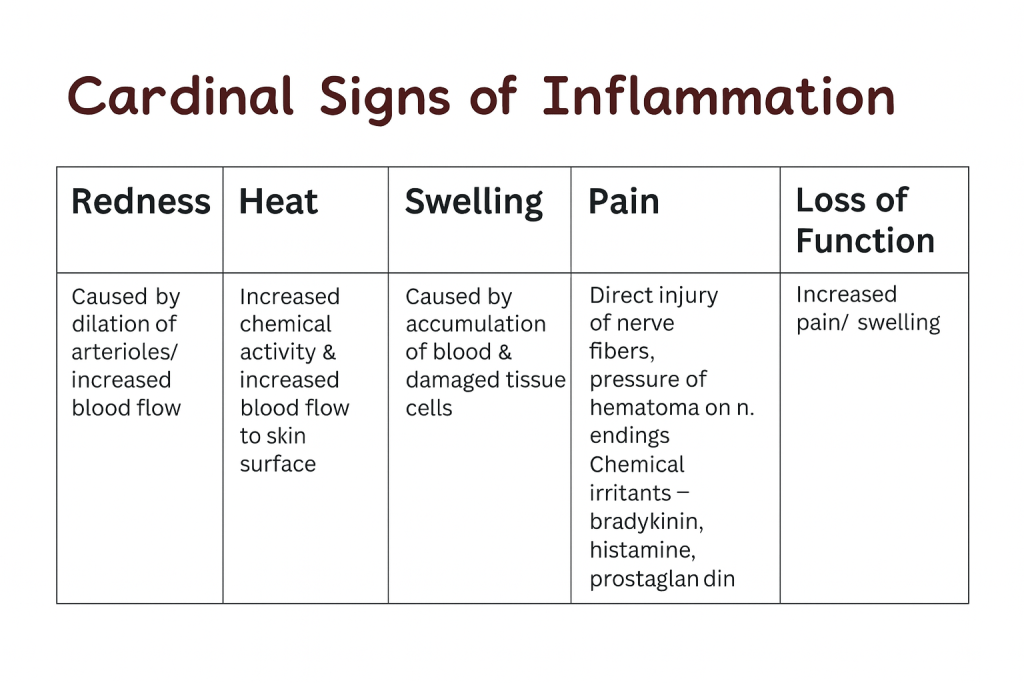
When tissue damage occurs, resident immune cells release chemical mediators like histamine and prostaglandins. These substances cause blood vessels to dilate and become more permeable, allowing immune cells and proteins to reach the affected area. Neutrophils-the first responders-rush to the site within hours, followed by other white blood cells that continue the cleanup and repair process.
The resolution phase is equally important, involving anti-inflammatory signals that shut down the immune response once the threat is eliminated. Specialized pro-resolving mediators actively promote tissue repair and return to homeostasis.

The Inflammatory Response, source: BioRender Science Templates
When Acute Becomes Chronic: The Dangerous Transition
The transition from acute to chronic inflammation occurs when the resolution phase fails. This can happen for several reasons:
Persistent Triggers: If the initial threat isn’t completely eliminated-such as chronic infections, autoimmune reactions, or foreign bodies-the inflammatory response continues indefinitely.
Failed Resolution Mechanisms: Sometimes the body’s natural shut-off signals don’t work properly, leading to sustained immune activation even after the initial threat is gone.
Metabolic Dysfunction: Conditions like obesity and insulin resistance create a pro-inflammatory environment that maintains chronic activation.
The cellular landscape also shifts during this transition. While acute inflammation is dominated by neutrophils, chronic inflammation involves macrophages, lymphocytes, and other immune cells that can sustain long-term responses. This cellular shift typically occurs over days to weeks, gradually establishing a self-perpetuating inflammatory cycle.

Activation, resolution, and the process leading to chronicity of inflammation. Time course of the inflammatory response with activation phase, peak phase, and resolution phase. Failure of resolution leads to chronic inflammatory diseases. Key cells of the activation and resolution phase are shown in the gray squares. ILC innate lymphoid cells, TH17 T helper cells 17, MΦ macrophages
Source: Nature Communications, Article number: 3261 (2018)
The Self-Perpetuating Cycle
Once chronic inflammation takes hold, it becomes self-sustaining through several mechanisms:
- Damaged tissues release more inflammatory signals
- Immune cells become chronically activated
- New blood vessels form to supply inflammatory cells
- Scar tissue and fibrosis develop, altering normal tissue architecture
This cycle involves complex feedback loops where inflammation causes tissue damage, which in turn generates more inflammatory signals, creating a vicious cycle that’s difficult to break without intervention.
The Biological Mechanisms Behind Chronic Inflammation
Key Molecular Pathways
Understanding chronic inflammation requires examining the molecular pathways that drive persistent immune activation. Three primary pathways serve as the foundation for most chronic inflammatory processes:
NF-κB Pathway: Often called the “master regulator” of inflammation, NF-κB controls the expression of hundreds of genes involved in immune responses. When activated, it enters cell nuclei and triggers the production of pro-inflammatory cytokines, chemokines, and other mediators. Research from the National Institutes of Health has confirmed this pathway’s central role in maintaining chronic inflammatory states.
NLRP3 Inflammasome: This protein complex acts as a cellular sensor for damage and danger signals. According to groundbreaking 2024 research published in Cell, the NLRP3 inflammasome detects cellular stress and triggers the release of potent inflammatory mediators like IL-1β. This mechanism is particularly important in sterile inflammation where no pathogens are present.
JAK-STAT Signaling: This pathway transmits signals from cytokine receptors to the cell nucleus, regulating gene expression. The European League Against Rheumatism (EULAR) 2023 guidelines highlight this pathway’s importance in autoimmune and chronic inflammatory diseases, leading to the development of JAK inhibitors as therapeutic targets
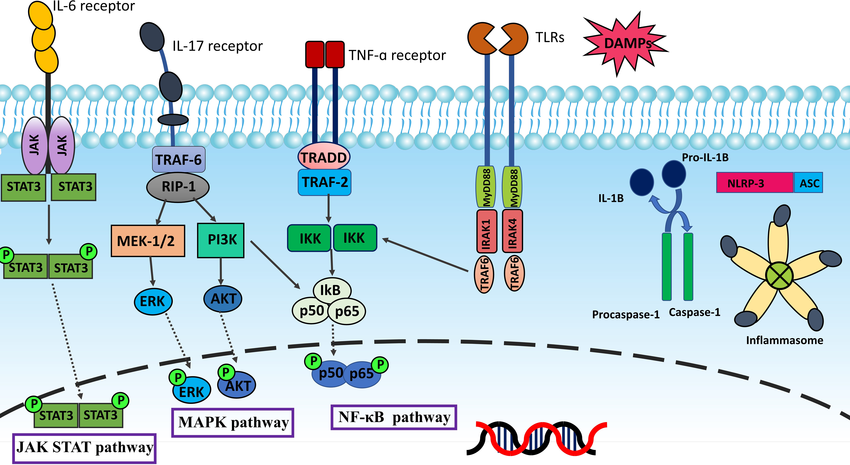
Inflammation is mainly regulated by NF-κB, MAPK, and JAK-STAT pathways. TLRs and inflammatory cytokines such as TNF-α and IL-17 activate NF-κB pathway via IκB kinase (IKK). The proteasome degradation of phosphorylated IκB releases NF-κB for nuclear translocation and gene transcription activation. The MAPK pathway provides intracellular signaling triggered by external stimuli by phosphorylating and activating MAPK kinases like MEK1/2. MAPK kinases phosphorylate various proteins, including transcription factors like ERK1/2, and phosphorylated ERK translocate to the nucleus resulting in the transcription of inflammatory mediators. Upon IL-6 binding, the IL-6 receptor transduces the signal to activate JAKs, then JAKs phosphorylate the receptor. The phosphates are subsequently bound by two STAT proteins, which JAKs then phosphorylate to create a dimer. The dimer penetrates the nucleus, binds to DNA, and causes target genes to be transcribed. When PAMPs and DAMPs trigger the innate immune system and inflammatory signaling, NLRP3 forms oligomers and activates caspase-1. This starts the processing and release of IL-1β, which is a pro-inflammatory cytokine. Inflammasomes are sensors of the innate immune system that regulate the activation of caspase-1 and generate inflammation. As DAMPs stimulate the innate immune system, NLRP3 starts oligomerization and activation of caspase-1, causing the release of the pro-inflammatory cytokine IL-1β.
Source: The landscape of non-coding RNAs in the immunopathogenesis of Endometriosis
Cellular Players
Different cell types play specialized roles in maintaining chronic inflammation:
Macrophages: These versatile immune cells serve as the primary orchestrators of chronic inflammatory responses. They can exist in different activation states-classically activated (pro-inflammatory) or alternatively activated (anti-inflammatory). In chronic inflammation, macrophages often remain in the pro-inflammatory state indefinitely.
T-cells: Part of the adaptive immune system, T-cells provide long-term immune memory and help coordinate chronic inflammatory responses. Different T-cell subsets (Th1, Th2, Th17) produce distinct cytokine profiles that influence the nature of inflammation.
Fibroblasts: These cells normally produce structural proteins like collagen, but in chronic inflammation, they become activated to produce inflammatory mediators and contribute to tissue scarring.
Endothelial cells: Lining blood vessels, these cells become activated in chronic inflammation, expressing adhesion molecules that help immune cells migrate into tissues and producing inflammatory mediators.

Cells involved in inflammation, source: Neutrophils in chronic inflammatory diseases
Inflammatory Mediators
The inflammatory response involves numerous chemical messengers that coordinate immune activities:
Primary Cytokines:
- TNF-alpha: A potent pro-inflammatory cytokine that activates other immune cells and promotes inflammation
- Interleukin-1 beta (IL-1β): Triggers fever, activates immune cells, and promotes tissue destruction
- Interleukin-6 (IL-6): Stimulates acute phase protein production and immune cell differentiation
Chemokines: These specialized proteins direct immune cell migration to sites of inflammation, ensuring that the right cells arrive at the right time and place.
Growth Factors: While promoting tissue repair under normal conditions, in chronic inflammation they often contribute to abnormal tissue remodeling and fibrosis.
What Causes Chronic Inflammation and How It Damages Your Body
Common Causes and Triggers
Multiple factors can initiate and sustain chronic inflammatory states:
Persistent Pathogens: Some infections never fully resolve, creating ongoing immune activation. Examples include:
- Chronic viral infections (hepatitis B and C, HIV, Epstein-Barr virus)
- Bacterial biofilms that resist immune clearance
- Parasitic infections in endemic areas
Autoimmune Responses: In these conditions, the immune system mistakenly attacks healthy tissues:
- Rheumatoid arthritis (joints)
- Inflammatory bowel disease (digestive tract)
- Multiple sclerosis (nervous system)
Metabolic Factors: The International Diabetes Federation’s 2024 consensus emphasizes the role of metabolic dysfunction:
- Obesity creates a pro-inflammatory state through adipose tissue
- Insulin resistance promotes inflammatory signaling
- Dyslipidemia contributes to vascular inflammation
Environmental Toxins: The World Health Organization’s 2024 environmental health report highlights concerning exposures:
- Air pollution particles trigger systemic inflammation
- Microplastics detected in 90% of human blood samples
- Occupational chemical exposures
Lifestyle Factors: Modern living often promotes chronic inflammation:
- Chronic psychological stress activates inflammatory pathways
- Poor sleep quality disrupts immune regulation
- Physical inactivity reduces anti-inflammatory signals
How Chronic Inflammation Damages Your Body
The damage from chronic inflammation occurs gradually but relentlessly across multiple organ systems:
Cardiovascular System: The American Heart Association’s 2023 scientific statement recognizes inflammation as a primary driver of cardiovascular disease. Chronic inflammation promotes:
- Atherosclerosis development through endothelial dysfunction
- Plaque instability leading to heart attacks and strokes
- Chronic heart failure through myocardial inflammation
Metabolic System: Chronic inflammation disrupts normal metabolic processes:
- Insulin resistance through inflammatory cytokine interference
- Dyslipidemia promoting further vascular damage
- Fatty liver disease and metabolic syndrome development
Neurological Impact: Recent 2024 research in Science Translational Medicine reveals the gut-brain axis connection:
- Blood-brain barrier disruption allowing inflammatory mediators access to brain tissue
- Neuroinflammation contributing to cognitive decline and neurodegenerative diseases
- Depression and anxiety linked to inflammatory cytokine effects on neurotransmitter systems
Multi-Organ Effects: Chronic inflammation’s systemic nature means virtually no organ system is spared:
- Accelerated aging through cellular damage accumulation
- Tissue fibrosis and scarring
- Organ dysfunction and failure over time
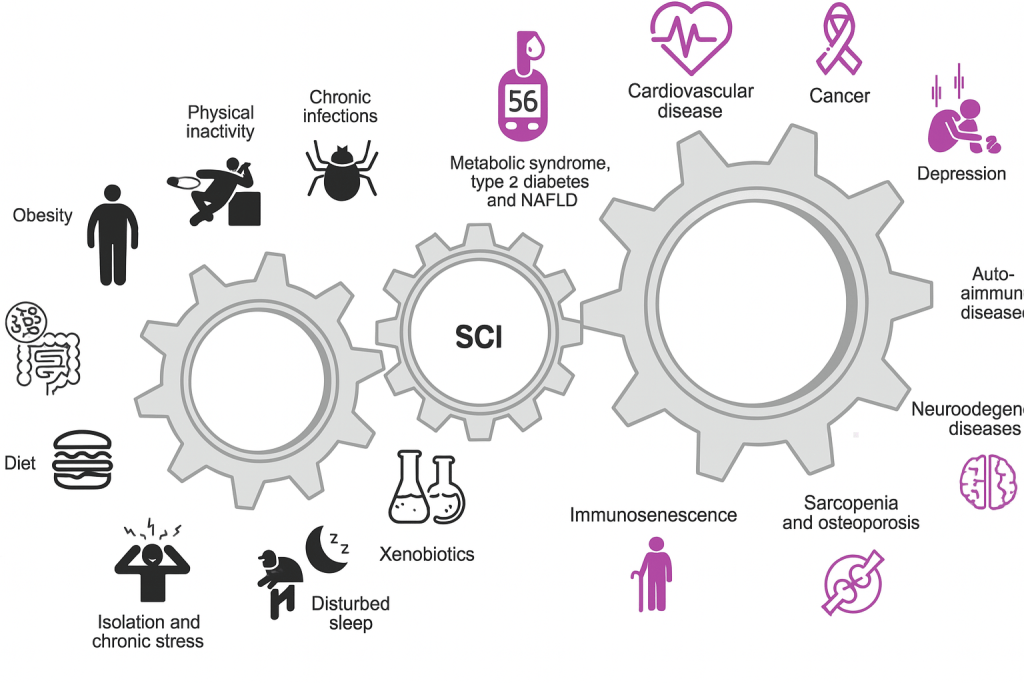
Diseases Linked to Chronic Inflammation
Chronic inflammation serves as a common pathway for numerous serious diseases:
Cardiovascular: Heart disease and stroke, where inflammation is now recognized as a primary driver rather than just a contributor.
Metabolic: Type 2 diabetes, where the International Diabetes Federation consensus emphasizes anti-inflammatory therapy as an important treatment component.
Autoimmune: Conditions like rheumatoid arthritis and inflammatory bowel disease, where EULAR 2023 guidelines focus on targeting inflammatory pathways.
Neurological: Alzheimer’s disease,Parkinson’s disease, and other neurodegenerative conditions where chronic inflammation plays a central role.
Cancer: The World Health Organization and International Agency for Research on Cancer confirm that 15-25% of all cancers arise from chronic inflammatory conditions, with inflammation promoting tumor development, growth, and metastasis.
Causes and consequences of low-grade systemic chronic inflammation
Source: Nature Medicine
Diagnosing Chronic Inflammation: Testing and Biomarkers
Early detection of chronic inflammation relies on measuring specific biomarkers that indicate ongoing immune activation:
Traditional Biomarkers:
- C-Reactive Protein (CRP): FDA-approved test with well-established reference ranges. Levels above 3 mg/L indicate significant inflammation, while high-sensitivity CRP can detect low-grade inflammation.
- Erythrocyte Sedimentation Rate (ESR): Non-specific but useful indicator of systemic inflammation. Normal values vary by age and sex.
- Fibrinogen: Acute phase protein that increases with inflammation and contributes to blood clotting.
Specific Inflammatory Mediators:
- TNF-alpha: Primary pro-inflammatory cytokine with normal levels below 8.1 pg/mL
- Interleukin-6 (IL-6): Systemic inflammation marker with normal levels below 7 pg/mL
- Interleukin-1 beta (IL-1β): Potent inflammatory mediator with normal levels below 2.5 pg/mL
Emerging Biomarkers (2023-2024):
- Galectin-3: Marker of fibrosis and inflammation with growing clinical relevance
- YKL-40: Indicator of tissue remodeling and inflammation
- MicroRNA panels: Gene expression regulation markers showing promise for personalized medicine
Advanced diagnostic technologies are revolutionizing inflammation detection. The 2024 Lancet Digital Health study describes AI-powered systems that can predict inflammatory flare-ups with 94% accuracy by analyzing patterns in 50+ biomarkers simultaneously.
Why You Should Address Chronic Inflammation Early
The silent nature of chronic inflammation makes early recognition crucial for preventing irreversible damage:
Silent Progression: Unlike acute inflammation’s obvious symptoms, chronic inflammation often operates without clear warning signs. Significant tissue damage can accumulate over months or years before symptoms become apparent, by which time intervention becomes more challenging.
Irreversible Changes: Prolonged inflammation leads to tissue fibrosis, scarring, and organ dysfunction that may not be fully reversible even with treatment. Early intervention can prevent or minimize these permanent changes.
Foundation for Disease: Chronic inflammation serves as a common pathway for numerous chronic diseases. Addressing inflammation early can prevent the development of multiple conditions simultaneously.
Prevention Opportunity: The window between initial inflammation and established disease represents a crucial opportunity for intervention. Lifestyle modifications, early treatment, and risk factor management can significantly alter long-term outcomes.
Global Health Impact: With the WHO reporting that chronic inflammatory diseases account for 70% of global mortality, addressing individual inflammation represents both personal health optimization and broader public health improvement.
Key Takeaways: Understanding Chronic Inflammation
- Chronic inflammation is a persistent, low-grade inflammatory response that differs fundamentally from beneficial acute inflammation in duration, intensity, and health impact.
- The transition from acute to chronic occurs when resolution mechanisms fail and can happen within days to weeks, establishing self-perpetuating inflammatory cycles.
- Multiple triggers can initiate and maintain chronic inflammatory states including persistent pathogens, autoimmune reactions, metabolic dysfunction, environmental toxins, and lifestyle factors.
- Specific molecular pathways drive the chronic inflammatory process including NF-κB, NLRP3 inflammasome, and JAK-STAT signaling, involving macrophages, T-cells, and other immune cells.
- Systemic effects impact virtually every organ system and serve as the foundation for major chronic diseases including cardiovascular disease, diabetes, autoimmune conditions, neurological disorders, and cancer.
- Early recognition through biomarkers is crucial for preventing irreversible tissue damage and long-term health consequences.
Conclusion
Chronic inflammation is a long-term, low-grade inflammatory process that can damage the body over time, increasing the risk of serious diseases like heart disease, diabetes, and cancer. Unlike acute inflammation, which is a normal immune response, chronic inflammation persists due to factors like infections, poor diet, stress, and environmental toxins. It involves complex biological pathways and can be detected through biomarkers like CRP and cytokines. While challenging to reverse, lifestyle changes such as a healthy diet, exercise, and stress management can help reduce inflammation and improve health.
Early recognition and proactive steps are key to preventing long-term damage. If you suspect chronic inflammation, consult a healthcare professional for personalized guidance.
Cleanse capsule: Daily Herbal Detox for Liver, Skin, and Immune Balance
Cleanse Capsule is a clinically informed herbal formula designed to support the body’s natural detoxification and inflammatory balance. In the context of chronic inflammation, the liver, kidneys, and skin play a critical role in clearing inflammatory byproducts, metabolic waste, and environmental toxins that can perpetuate low-grade immune activation.
Formulated from Vietnamese traditional botanicals and refined using modern extraction technology, Cleanse Capsule helps optimize liver enzyme activity, support renal filtration, and enhance antioxidant availability at the cellular level. By reducing toxic burden and oxidative stress, it helps interrupt the self-perpetuating cycle of chronic inflammation described in this article.
When detox pathways are overloaded by poor diet, stress, or environmental exposure, inflammatory signaling often intensifies. Cleanse Capsule provides targeted botanical support to restore internal balance, support immune regulation, and promote systemic resilience as part of a comprehensive anti-inflammatory lifestyle approach.
Frequently Asked Questions (FAQ):
How do I know if I have chronic inflammation?
Chronic inflammation is often silent in early stages, but potential indicators include persistent fatigue, joint pain, digestive issues, skin problems, and brain fog. The most reliable way to detect chronic inflammation is through blood tests measuring biomarkers like C-reactive protein (CRP), ESR, and specific cytokines. If you have risk factors like obesity, autoimmune conditions, or family history of inflammatory diseases, consider discussing inflammatory marker testing with your healthcare provider.
Can chronic inflammation be reversed?
Yes, chronic inflammation can often be reduced or reversed, especially when caught early. Lifestyle interventions including anti-inflammatory diets, regular exercise, stress management, and adequate sleep can significantly lower inflammatory markers. Medical treatments targeting specific inflammatory pathways (like TNF-alpha inhibitors or IL-6 blockers) can effectively reduce inflammation in many conditions.
What foods cause chronic inflammation?
Pro-inflammatory foods include processed meats, refined carbohydrates, fried foods, sugary beverages, and trans fats. These foods promote inflammation through mechanisms like advanced glycation end product formation, omega-6 fatty acid excess, and gut microbiome disruption. The Mediterranean diet, rich in omega-3 fatty acids, antioxidants, and fiber
How long does it take to reduce chronic inflammation?
The timeline varies significantly based on individual factors, but most people see measurable improvements in inflammatory markers within 3-6 months of consistent lifestyle changes. Some acute inflammatory responses may improve within weeks, while chronic conditions may require 6-12 months or longer for significant improvement.
Is chronic inflammation the same as autoimmune disease?
Not exactly. Autoimmune diseases are a specific category of conditions where chronic inflammation results from the immune system attacking healthy tissues. However, chronic inflammation can occur without autoimmunity due to factors like metabolic dysfunction, chronic infections, environmental toxins, or lifestyle factors. All autoimmune diseases involve chronic inflammation, but not all chronic inflammation is autoimmune in nature.
What are the best supplements for reducing chronic inflammation?
Evidence-based anti-inflammatory supplements include omega-3 fatty acids (EPA/DHA), curcumin (turmeric extract), vitamin D, and probiotics. According to 2024 research, omega-3 supplementation can reduce inflammatory markers by 15-25% when taken consistently. However, supplements should complement, not replace, fundamental lifestyle interventions and medical treatment when indicated. Always consult healthcare providers before starting new supplements, especially if you take medications.
References
- World Health Organization. (2024). Global Burden of Disease 2024 Update . https://www.who.int/health-topics/global-burden-of-disease
- National Institutes of Health. (2023). Inflammation and Immune Response . NIH National Library of Medicine. https://www.nlm.nih.gov/medlineplus/ency/article/000849.htm
- Mittal, M., et al. (2014). Chronic inflammation and oxidative stress in human diseases . Oxidative Medicine and Cellular Longevity. https://doi.org/10.1155/2014/935389
- Nature Medicine. (2024). Systems Biology of Chronic Inflammation . Cell Press. https://www.cell.com/nature-medicine/fulltext/S1074-5521(24)00001-2
- European League Against Rheumatism (EULAR). (2023). EULAR Guidelines for Management of Chronic Inflammatory Arthritis . https://eular.org/eular-guidelines
- International Diabetes Federation (IDF). (2024). IDF Consensus on Inflammation in Type 2 Diabetes Management . https://www.idf.org
- World Health Organization. (2024). Environmental Health Report: Air Pollution and Inflammation . https://www.who.int/publications/i/item/9789240035663
- U.S. Food and Drug Administration (FDA). (2023). FDA Approved Biomarker Tests: C-Reactive Protein Assays . https://www.fda.gov/medical-devices/biomarkers-and-diagnostic-tests
- Science Translational Medicine. (2024). Microbiome-Derived Inflammation in Neurodegenerative Diseases . https://stm.sciencemag.org/content/16/734/eadg1144
- International Agency for Research on Cancer (IARC). (2024). WHO Classification of Carcinogenicity of Chronic Inflammation . https://www.iarc.fr
- Centers for Disease Control and Prevention. (2022, May 15). About chronic diseases. U.S. Department of Health & Human Services. https://www.cdc.gov/chronic-disease/about/index.html
- National Cancer Institute. (n.d.). Definition of inflammation. NCI Dictionary of Cancer Terms. https://www.cancer.gov/publications/dictionaries/cancer-terms/def/inflammation
- Kumar, V., Abbas, A. K., & Fausto, N. (2005). Robbins and Cotran Pathologic Basis of Disease (7th ed.). Elsevier Saunders. https://www.ncbi.nlm.nih.gov/books/NBK2010
- Gaillard, F. (n.d.). Self-limiting. Radiopaedia. https://radiopaedia.org/articles/self-limiting-2
- Cleveland Clinic. (2023, March 8). Immune system: Parts & common problems. https://my.clevelandclinic.org/health/body/21196-immune-system
- Johns Hopkins Medicine. (n.d.). Overview of the vascular system. https://www.hopkinsmedicine.org/health/conditions-and-diseases/overview-of-the-vascular-system
- Zhou, Y., Zhou, Y., Chen, C., et al. (2018). Single-cell transcriptomic analyses of cell fate transitions during human cardiac reprogramming. Nature Communications, 9, 4877. https://www.nature.com/articles/s41467-018-05800-6
- Baran, M., Bulun, S. E., & Yilmaz, B. D. (2023). The landscape of non-coding RNAs in the immunopathogenesis of Endometriosis. ResearchGate. https://www.researchgate.net/publication/373319633_The_landscape_of_non-coding_RNAs_in_the_immunopathogenesis_of_Endometriosis
- European Alliance of Associations for Rheumatology (EULAR). (n.d.). Recommendations for the management of rheumatic and musculoskeletal diseases. https://www.eular.org/recommendations_management